Summarize with
Replacing a residential roof typically costs between $5,701 and $12,504, with a national average of approximately $9,121 for a standard architectural shingle installation. While these figures represent common ranges for average-sized homes, high-end materials like slate, clay tile, or premium metal can result in total expenses exceeding $30,000 or $40,000. This guide provides a detailed breakdown of the variables that influence the final invoice, from material selection and labor rates to the structural requirements of various roof pitches.
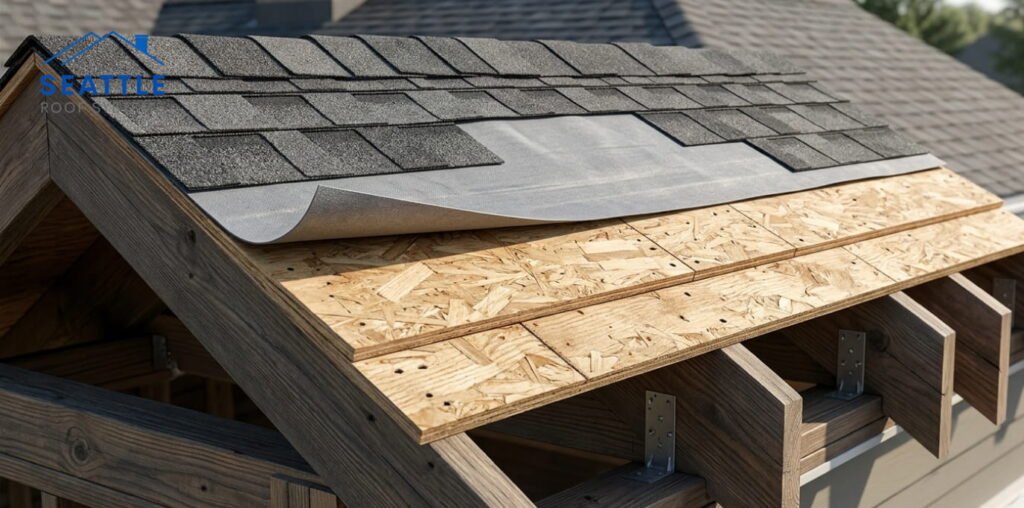
Understanding these costs requires looking beyond the surface layer of shingles. A full replacement involves removing old materials, inspecting the underlying wood deck, and installing new underlayment, flashing, and ventilation systems. Expert knowledge in the field suggests that while the initial price tag is a major concern, long-term value depends on the durability of the chosen materials and the precision of the installation.
Primary Factors Influencing Total Project Price
Total costs fluctuate based on several physical characteristics of the home and the specific choices made during the planning phase. Most estimates are calculated by the roofing square, which is a 10-foot by 10-foot area totaling 100 square feet.
Roof Size and Geometry
Size is the most obvious driver of cost; a larger roof requires more materials and additional hours of labor. However, geometry is equally influential. A roof with a steep pitch is more dangerous and difficult to navigate than a flat or low-slope roof. Workers must use specialized safety equipment and move more slowly on steep surfaces, which increases labor costs. Additionally, complex roof designs with multiple gables, valleys, dormers, and chimneys require more flashing and intricate material cutting. These details add both time and material waste to the project.
Material Selection
The choice of material represents the largest variable in the overall project price. Data provided by Forbes Home indicates that asphalt shingles remain the most popular choice for residential properties because they offer a balance of affordability and performance. Metal roofing is a more expensive alternative but provides a significantly longer lifespan. Premium options like natural slate or cedar shakes occupy the highest price tier due to the cost of raw materials and the specialized skills required for installation.
Labor and Regional Variables
Labor typically accounts for a significant portion of the total expense. According to information published by Angi, labor costs can make up nearly 60 percent of the total project price. These rates vary significantly by region. Homeowners in urban areas with a high cost of living generally pay more for local roof replacement services than those in rural locations. Local permit fees and disposal costs for old materials also vary by municipality.
Estimated Costs by Roofing Material
The following table outlines the expected price ranges for common materials based on a standard 2,000-square-foot roof.
| Material Type | Average Cost Per Square | Total Estimated Price (2,000 sq. ft.) | Expected Lifespan |
|---|---|---|---|
| Asphalt Shingles (3-Tab) | $250 – $400 | $5,000 – $8,000 | 15 – 20 Years |
| Architectural Shingles | $350 – $600 | $7,000 – $12,000 | 25 – 30 Years |
| Metal (Steel Panels) | $700 – $1,200 | $14,000 – $24,000 | 40 – 70 Years |
| Cedar Shakes | $800 – $1,400 | $16,000 – $28,000 | 30 – 40 Years |
| Clay or Concrete Tile | $900 – $1,800 | $18,000 – $36,000 | 50 – 100 Years |
| Natural Slate | $1,200 – $2,500 | $24,000 – $50,000 | 75 – 150 Years |
Bonus Tip: Consider the weight of the material before finalizing your choice. Premium materials like slate or clay tiles are extremely heavy and may require a structural engineer to verify that the home can safely support the additional load.
Additional Expenses and Hidden Costs
When requesting a roof installation cost estimate, it is important to look beyond the cost of the shingles. Several secondary components are necessary for a functional and legally compliant installation.
Decking and Underlayment
The roof deck is the wooden foundation that supports the roofing materials. If a roof has leaked over an extended period, the decking may be rotted. Replacing sheets of plywood or oriented strand board (OSB) usually costs between $70 and $100 per sheet, including labor. New underlayment, which provides a secondary water barrier, is also a standard part of a professional installation. Synthetic underlayment is now more common than traditional felt paper because it is more resistant to tearing and moisture.
Flashing and Ventilation
Flashing consists of metal strips installed around chimneys, vents, and valleys to redirect water away from sensitive areas. Reusing old flashing is rarely advisable, as it is a common point of failure. Proper ventilation is also a requirement for most shingle warranties. Installing ridge vents or soffit vents helps regulate attic temperatures and prevents moisture buildup. A report from Modernize suggests that improving attic ventilation can extend shingle life and reduce energy costs for the homeowner.
Removal of Old Layers
The total cost to replace a roof includes the labor required to strip away old materials. Some local building codes allow for a second layer of shingles to be installed over the first, but this is often discouraged. Adding a second layer traps heat, adds weight, and prevents the installer from inspecting the deck for damage. Removing and disposing of a single layer of shingles typically costs between $1 and $5 per square foot.
Things to Consider Before Making a Decision
Before signing a contract based on residential roof replacement price quotes, homeowners should evaluate several factors that impact the long-term success of the project.
- Local Climate Needs: Homes in areas with high winds or frequent hail should prioritize impact-resistant materials. Homeowners in humid climates may want shingles with algae-resistant granules.
- Warranty Coverage: There are two types of warranties: the manufacturer’s warranty on materials and the contractor’s warranty on workmanship. Ensure both are clearly defined in the contract.
- Permit Requirements: Most jurisdictions require a building permit for a full roof replacement. Reliable residential roofing contractors handle the permit process and ensure the work meets local building codes.
- Homeowners Association Rules: If the home is part of an HOA, there may be strict rules regarding the allowed color and type of roofing materials. Check these regulations before purchasing materials.
Bonus Tip: Ask for a detailed breakdown of the estimate. A professional roof installation service quote should list the cost of materials, labor, permits, and disposal separately. This transparency makes it easier to compare different offers effectively.
Common Questions About Roof Replacement
Many homeowners find the process of interpreting a roof replacement cost guide confusing because of the technical terms involved.
Why is there such a large gap between the lowest and highest estimates? Price differences often stem from material quality and the thoroughness of the work. A lower bid might exclude the replacement of flashing or the use of lower-grade underlayment. It might also reflect a contractor who does not carry adequate insurance, which puts the homeowner at significant financial risk.
Does insurance cover the cost of a new roof? Homeowners insurance typically covers roof replacement only if the damage is caused by a specific covered event, such as a windstorm, hail, or a fallen tree. Standard wear and tear or damage due to lack of maintenance are usually not covered.
How long does the actual installation take? For most standard residential homes, the removal and installation process takes between one and three days. Larger homes or those with complex designs may take a week or more. Weather conditions also play a major role in the project timeline.
Frequently Asked Questions
What is the cheapest time of year to replace a roof?
Late winter and early spring are often the periods of lowest demand for roofing companies. Scheduling during these months may result in more competitive pricing or more flexible scheduling. However, the weather must remain dry and warm enough for shingles to seal properly.
How can I tell if I need a full replacement or just a repair?
If the roof is more than 20 years old and has widespread issues like curling shingles, missing granules, or multiple leaks, a replacement is usually more cost-effective. Small, isolated leaks on a newer roof can often be addressed with a simple repair.
Do certain roof colors affect the cost?
While the color itself usually does not change the price of the material, it can affect the home’s energy efficiency. Lighter colors reflect more sunlight, which can help keep the attic cooler in the summer and potentially lower monthly cooling bills.
Will a new roof increase the value of my home?
A new roof is a major selling point. According to data from the Remodeling 2023 Cost vs. Value Report, homeowners often recover a significant portion of the replacement cost in increased home value. It also improves curb appeal and gives potential buyers confidence in the structural integrity of the house.
Final Steps for Homeowners
Determining the roof replacement price estimate for a specific property requires a physical inspection. Photos and online maps can provide a rough idea, but a professional needs to check the condition of the flashing and the stability of the decking. Evaluate the needs of the household, considering how long the family intends to stay in the home. Investing in higher-quality materials like architectural shingles or metal can provide better protection and higher resale value. Always verify the credentials of the service provider and ensure the contract includes a clear timeline and payment schedule. For homeowners seeking local expertise to navigate these final steps, selecting a qualified specialist is the best way to ensure project success.
Expert Service Information
For those requiring detailed assessments and professional installations, Seattle Roof Systems offers specialized expertise in residential projects. The team handles everything from initial inspections to the final cleanup, ensuring every component of the roofing system meets high standards. For questions regarding specific material options or to discuss project requirements, contact Seattle Roof Systems at (425) 996-1386 or via email at zoom@seattleroofsystems.com. Reliable service ensures the home remains protected against the elements for decades.
Sources
- Forbes Home – Comprehensive breakdown of national average costs for various roofing materials and labor.
- Angi – Detailed guide on the factors that influence roofing prices, including labor and disposal.
- Modernize – An interactive tool and guide providing cost estimates and information on roofing components like ventilation.
- Remodeling 2023 Cost vs. Value Report – Annual report detailing the return on investment for various home improvement projects, including roofing.