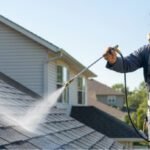
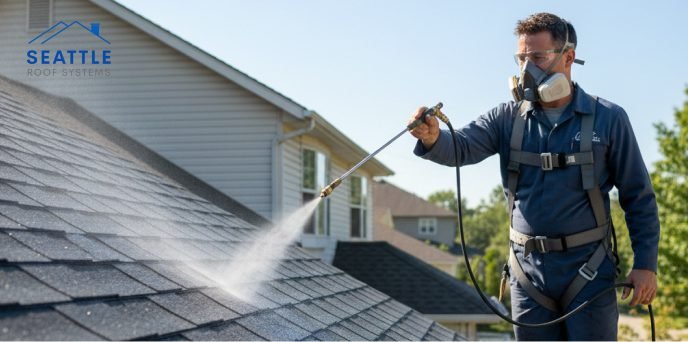
Professional roof cleaning involves a systematic approach to removing organic growth, soot, and debris while protecting the structural integrity of the roofing material. You can expect a process that includes a preliminary site inspection, property protection measures, the application of specialized cleaning solutions, and a final rinse or treatment. Most service providers utilize a method known as soft washing, which relies on chemical action rather than high-pressure water to eliminate moss, algae, and lichen at the root.
This comprehensive guide outlines the standard operating procedures you will encounter during a professional appointment. Understanding these stages ensures you can prepare your home and evaluate the quality of the work performed. Technical expertise in asphalt shingles, metal panels, and clay tiles is necessary to ensure the cleaning agents effectively sanitize the surface without causing granular loss or finish damage.
Pre-Service Inspection and Property Preparation
The service begins with a thorough walkthrough of the perimeter. Technicians look for existing damage, such as cracked tiles or loose shingles, that might be compromised during the cleaning. This assessment also identifies areas where water runoff could impact sensitive landscaping or outdoor furniture.
Property protection is a primary task before any water or chemicals reach the roof. You will see technicians covering shrubs, flower beds, and ornamental plants with plastic sheeting or breathable fabric. This step prevents overspray from affecting the pH of your soil or damaging delicate foliage. Additionally, downspout extensions may be attached to redirect the runoff away from your garden and into safer drainage areas.
Bonus Tip
Ensure all windows are tightly closed and any outdoor pets are kept indoors before the technicians arrive. While professional solutions are handled carefully, the physical activity and water spray can be disruptive to animals.
Technical Cleaning Methods and Equipment
There are several ways to clean a roof, but the industry standard for asphalt and delicate materials is soft washing. According to recommendations from the Asphalt Roofing Manufacturers Association, high-pressure power washing should be avoided on shingles because it can strip away the protective granules that shield the home from UV rays.
The table below outlines the differences between common professional cleaning approaches.
| Method | Primary Action | Best For | Risk Level |
|---|---|---|---|
| Soft Washing | Chemical decomposition of organic matter | Asphalt shingles, wood shakes, clay tiles | Low risk of material damage |
| Low Pressure Rinse | Mechanical removal of loose debris | Metal roofing, concrete tiles | Moderate if pressure exceeds 500 PSI |
| Manual Brushing | Physical removal of thick moss clusters | Heavy moss infestations | Low if performed with soft-bristle tools |
| Air Blowing | High-velocity air to remove dry leaves | Annual maintenance and debris clearing | Negligible |
Chemical Application and Dwell Time
Once the property is secure, the cleaning solution is applied. This mixture typically contains a surfactant to help the liquid cling to sloped surfaces and a sanitizing agent like sodium hypochlorite. The goal is to kill the root systems of moss and algae.
You will notice a period of dwell time where the solution sits on the roof. This allows the chemicals to break down the cellular structure of organic growth. This phase is essential because simply washing away the visible green or black streaks does not prevent them from returning. If the roots remain in the porous surface of the shingle, the growth will reappear within months.
Debris Removal and Final Rinse
After the cleaning agents have finished their work, technicians perform a low-pressure rinse. This step washes away the dead organic matter and any remaining chemical residue. You might see large clumps of moss sliding into the gutters. A professional service includes cleaning these gutters afterward to ensure the dislodged debris does not cause a blockage.
In some cases involving heavy moss, Seattle Roof Systems may leave a residual treatment on the roof. This treatment is designed to wash away slowly with the rain over the next few weeks, providing a long-term barrier against new growth. This approach is often safer for the shingles than trying to force heavy moss off the surface in a single session.
Market Data on Roof Maintenance
Investing in professional cleaning is often more cost-effective than premature replacement. Data provided by Angi suggests that regular roof cleaning can extend the total lifespan of a roofing service by up to 25 percent. By removing the organisms that trap moisture against the shingles, you prevent the rot that eventually leads to leaks.
Furthermore, statistics from HomeAdvisor indicate that the national average for professional cleaning ranges from $300 to $600. When compared to the several thousand dollars required for a full roof replacement, the preventative value is clear. Maintaining a clean roof also improves the energy efficiency of the home by allowing the shingles to reflect heat properly rather than absorbing it through dark algae stains.
Bonus Tip
Check your attic for any signs of leaks immediately following a cleaning service. While professionals use low pressure, the volume of water used can sometimes reveal existing small penetrations that were previously hidden by debris.
Things to Consider Before Making a Decision
Before you hire a company, verify their insurance coverage specifically for roof work. General liability insurance is standard, but workers’ compensation for height-related tasks is a separate and necessary protection for the homeowner.
You should also ask about the specific chemicals being used. If you have a rainwater harvesting system or a koi pond, the cleaning agents must be managed with extreme care. A reputable provider will explain their neutralization process for runoff to ensure the local environment remains safe.
Common Questions About the Process
Many homeowners worry about the smell of the cleaning agents. While there is a slight scent similar to a swimming pool during the application, it usually dissipates within an hour of completion. Another common concern is the duration of the service. For a standard 2,000-square-foot home, the entire process usually takes between three and five hours.
You do not necessarily need to be home during the service as long as the technicians have access to an outdoor water spigot. However, being present for the initial walkthrough allows you to point out specific areas of concern or fragile plants that need extra protection.
Direct Answers to Frequent Inquiries
Will the cleaning chemicals kill my grass?
If the property is properly pre-rinsed and the plants are covered, the grass should remain healthy. Technicians also perform a post-service rinse of all surrounding greenery to dilute any overspray that may have bypassed the covers.
How long will my roof stay clean?
A professional soft wash treatment typically keeps a roof free of algae and moss for two to five years. The exact duration depends on the amount of shade your roof receives and the local humidity levels.
Does cleaning a roof void the warranty?
Most manufacturers actually require regular maintenance to keep a warranty valid. However, using high-pressure washing can void warranties. This is why Seattle Roof Systems adheres to low-pressure soft washing standards.
Why do black streaks appear on my shingles?
Those black streaks are usually Gloeocapsa Magma, a type of hardy algae that feeds on the calcium carbonate filler in asphalt shingles. It is not just an aesthetic issue; it actively degrades the roofing material over time.
Summary of the Service Experience
A professional roof cleaning service is a controlled, technical procedure that focuses on chemical sanitation rather than brute force. By following a sequence of inspection, protection, treatment, and rinsing, technicians remove harmful organisms without damaging the home. The primary benefit is the long-term preservation of the roofing materials and the improvement of the home’s curb appeal.
You should evaluate your roof for signs of growth every two years. If you notice dark streaks or green tufts of moss, it is time to arrange for a professional assessment. Focus on providers who prioritize soft washing and property protection to ensure the best results for your specific roofing system.
Contact Information and Service Requests
For those looking to maintain their property, Seattle Roof Systems provides specialized cleaning and maintenance services designed for Pacific Northwest homes. You can reach the main office at (425) 996-1386 or send questions via email to zoom@seattleroofsystems.com for a detailed breakdown of service options. Professional technicians are available to help you evaluate the current state of your roof and determine the most effective cleaning strategy for your budget.
Sources
- Asphalt Roofing Manufacturers Association – Technical bulletin on the causes and recommended cleaning methods for algae growth on asphalt shingles.
- Angi – Comprehensive consumer guide detailing the lifespan benefits and frequency requirements for home roof maintenance.
- HomeAdvisor – Market data and cost analysis for various types of professional roof cleaning services across the United States.