Selecting the right roofing material isn’t just about curb appeal, it’s a critical decision that affects your roof’s durability, your home’s energy efficiency, and your comfort year-round. Choosing climate-specific roofing options ensures your roof withstands local weather conditions, reduces maintenance costs, and improves energy performance.
Whether you live in a hot, sunny region or a cold, snowy environment, understanding how different roofing materials perform in various climates helps you make an informed choice. In this guide, Seattle Roof Systems explores the pros and cons of popular materials, including asphalt shingles vs metal roofing, and dives into heat-resistant roofing materials, cold weather roof solutions, and energy-efficient roof types designed to meet your climate’s unique demands.
Asphalt Shingles vs Metal Roofing: Which Suits Your Climate?
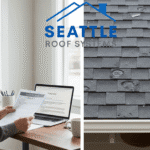
Asphalt shingles remain the most common roofing material in North America, favored for their affordability and ease of installation. They perform well in moderate climates but have distinct limitations. Asphalt can soften and deteriorate under prolonged heat and intense sunlight, making it less ideal for very hot regions. However, it offers good insulation properties in cooler climates and is often easier and less expensive to repair or replace.
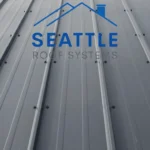
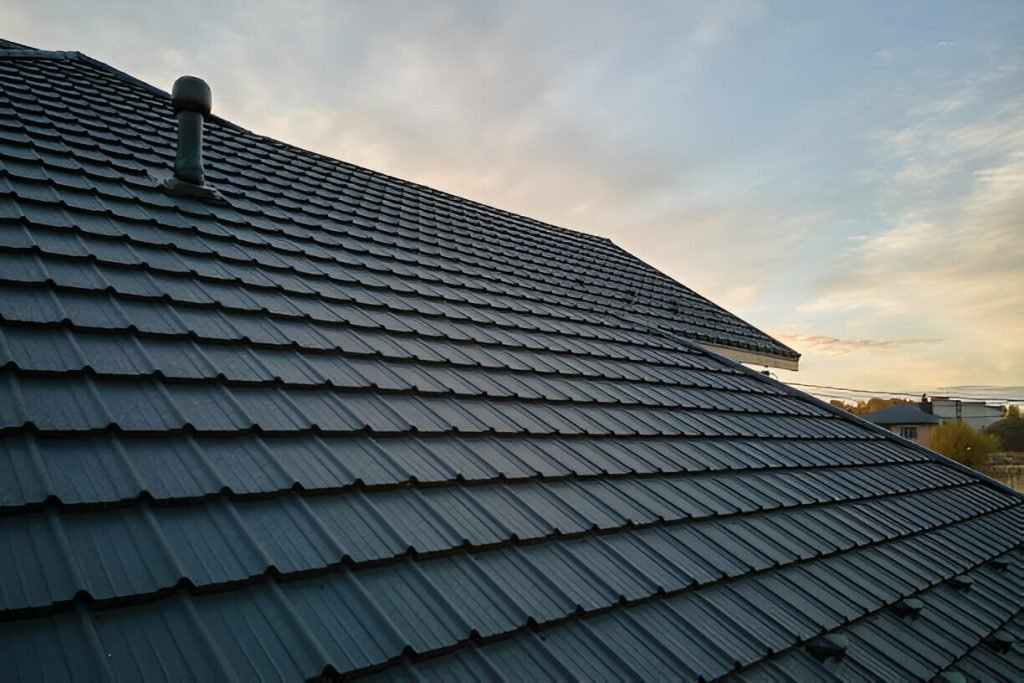
On the other hand, metal roofing excels in a wide range of climates. Its durability against wind, rain, and snow is unmatched, and metal reflects solar radiant heat, making it a superior choice for warmer areas. Metal roofs also resist cracking, shrinking, and eroding, common issues in fluctuating temperatures.
Pros and Cons Summary:
- Asphalt Shingles: Cost-effective, widely available, easy to install; shorter lifespan in extreme heat.
- Metal Roofing: Long-lasting, recyclable, excellent for heat reflection and snow shedding; higher upfront cost.
Understanding your local climate and budget will guide your decision between these two popular options.
Heat-Resistant Roofing Materials for Warmer Regions
In hot climates, heat-resistant roofing materials are essential to keep your home cooler and reduce energy consumption. Reflective roofing products, such as cool metal roofs, clay or concrete tiles, and specially coated asphalt shingles, help deflect sunlight and minimize heat absorption.
Clay and concrete tiles offer natural thermal mass, absorbing heat slowly and releasing it gradually, which moderates indoor temperatures. Additionally, metal roofs coated with reflective paints can reduce attic temperatures by up to 50%, lowering cooling costs.
When choosing roofing materials for warm climates, prioritize those with high solar reflectance and thermal emittance ratings to enhance energy efficiency and extend your roof’s lifespan.
Cold Weather Roof Solutions: Materials and Techniques for Snow and Ice
In regions prone to snow, ice, and freezing temperatures, roofs must endure harsh winter conditions without compromising integrity. Cold weather roof solutions include materials designed to withstand freeze-thaw cycles and shed snow effectively.
Metal roofing is particularly advantageous here, thanks to its smooth surface that prevents heavy snow buildup and reduces ice dam formation. Asphalt shingles formulated for cold climates incorporate tougher binders to resist cracking and granule loss.
Additional roofing techniques include installing proper insulation and ventilation to prevent ice dams and using snow guards or heating cables for safer snow management.
Choosing materials engineered for cold weather and combining them with expert installation practices helps protect your home from leaks, structural damage, and energy loss.
Energy-Efficient Roof Types That Reduce Heating and Cooling Costs
Energy efficiency in roofing goes beyond insulation. Energy-efficient roof types focus on materials and designs that maintain comfortable indoor temperatures and reduce reliance on heating and cooling systems.
Cool roofs, featuring reflective coatings or light-colored materials, minimize solar heat gain. Green roofs, covered with vegetation, provide natural insulation, improve air quality, and reduce stormwater runoff.
Metal roofing also qualifies as energy-efficient due to its reflective properties and recyclability. Integrating radiant barriers and ensuring proper attic ventilation complement your roofing choice to maximize efficiency.
Seattle Roof Systems helps homeowners select energy-efficient roofing systems that meet local building codes while delivering cost savings and environmental benefits.
Why Choose Seattle Roof Systems for Climate-Tailored Roofing Solutions?
Selecting the right roofing material is only part of the equation. Proper installation tailored to your climate is equally vital for long-term performance.
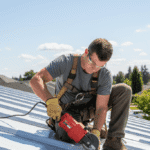
At Seattle Roof Systems, we combine extensive knowledge of local weather patterns with expert craftsmanship to recommend and install the best climate-specific roofing options. Whether you need heat-resistant roofing materials for a sunny locale or cold weather roof solutions for snowy winters, our team ensures your roof is durable, efficient, and visually appealing.
We offer personalized consultations, competitive pricing, and superior warranties to give you peace of mind and lasting value.
Conclusion: Protect Your Home with the Right Climate-Specific Roof
Choosing roofing materials suited to your local climate enhances durability, comfort, and energy savings. From the cost-effective versatility of asphalt shingles vs metal roofing to specialized solutions for heat, cold, and energy efficiency, your roof’s performance depends on informed choices and expert installation.
Contact Seattle Roof Systems today to schedule a professional roofing consultation. Let us help you find the perfect roofing system tailored to your climate and home.
Frequently Asked Questions
Q1: How do I choose roofing materials for my climate?
A: Consider local weather conditions like heat, snow, and wind. Consult experts to select materials designed for those challenges.
Q2: Are metal roofs better than asphalt shingles?
A: Metal roofs last longer and perform well in extreme climates, while asphalt shingles are budget-friendly and versatile.
Q3: What roofing materials help reduce cooling costs?
A: Heat-resistant roofing materials like reflective metal, clay tiles, and cool asphalt shingles improve energy efficiency.
Q4: What options are best for cold weather roofing?
A: Metal roofing, specially formulated asphalt shingles, and proper insulation provide durable cold weather roof solutions.
Q5: How can I improve my roof’s energy efficiency?
A: Choose reflective or green roofs, ensure proper ventilation, and use radiant barriers to reduce heating and cooling expenses.