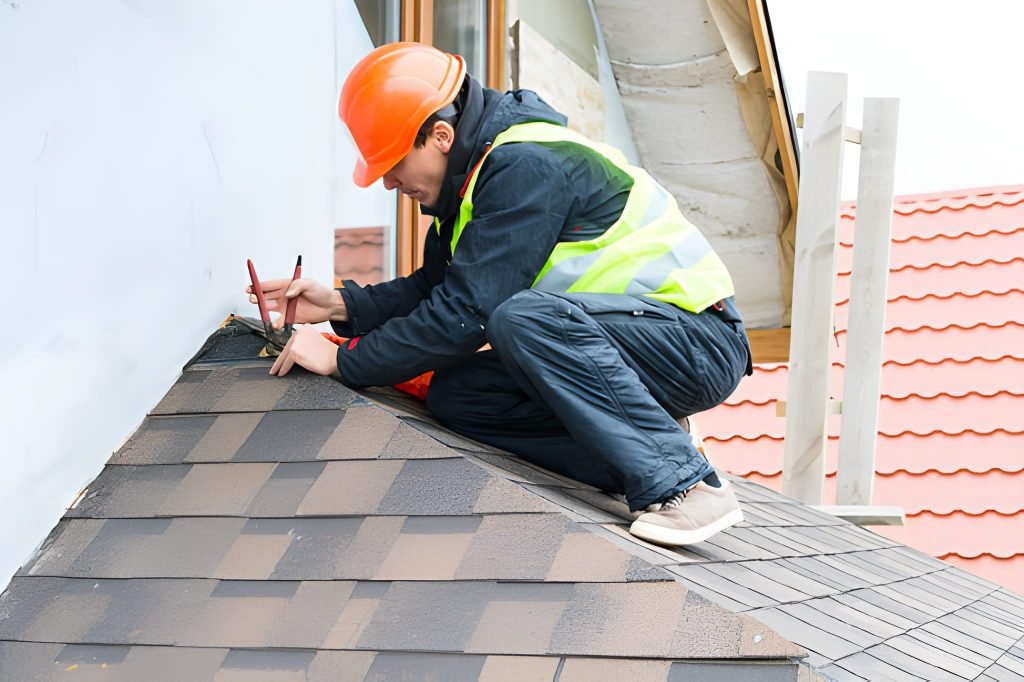
Every homeowner understands that a roof is more than just a cover; it is the primary shield against rain, wind, sun, and snow. Yet, many underestimate the importance of routine inspections and proactive maintenance, resulting in avoidable damage and escalating costs. According to the National Roofing Contractors Association (NRCA), almost 45% of roof damage could have been prevented with consistent upkeep. Ignoring minor issues can lead to leaks, mold, and structural problems, which can affect both safety and property value.
Environmental factors continuously challenge roofs, from heavy storms to UV radiation. Leaks may damage interiors, compromise insulation, and even pose health risks. The Insurance Information Institute (III) reports that water-related roof damage accounts for over $3 billion annually in homeowner claims across the U.S. Emergency repairs often cost far more than planned preventive work, highlighting the importance of proactive care.
Understanding roofing materials, maintenance practices, and regulations is essential for minimizing risks. Licensed contractors comply with building codes, ensuring both safety and insurance coverage. Modern materials, from asphalt shingles to metal roofing, offer durability and energy efficiency. This guide explores the most crucial roofing insights: protection, repair, and strengthening, incorporating laws, surveys, and expert advice to help homeowners make informed decisions while avoiding costly mistakes.
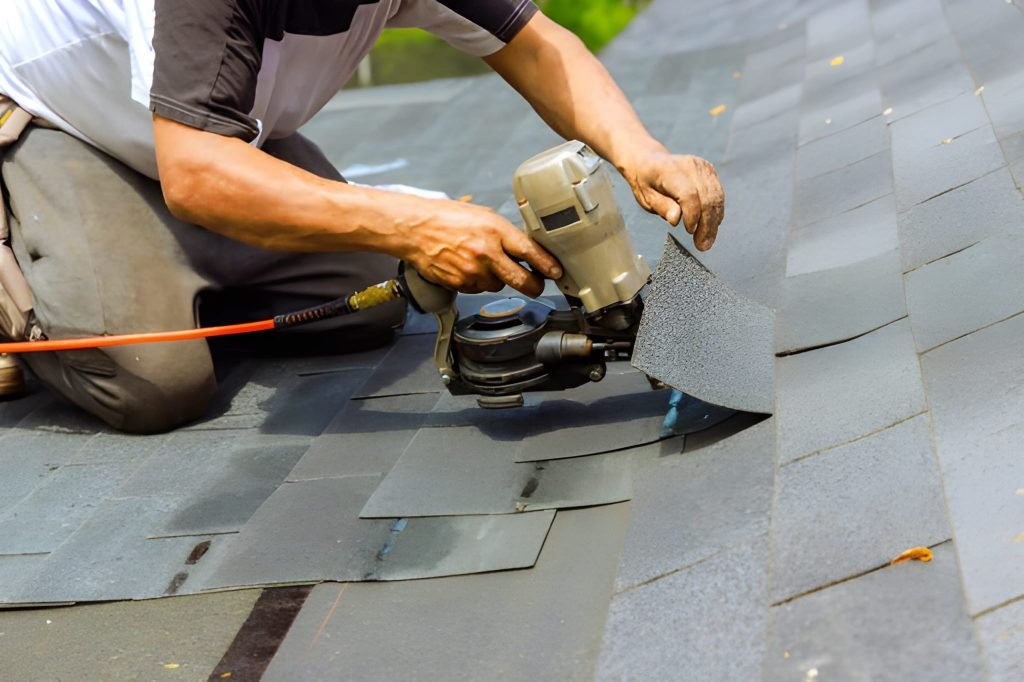
Why Your Roof Is Critical to Your Home
The roof protects your home’s structure and interior while improving energy efficiency. A well-maintained roof reduces energy costs, prevents water intrusion, and preserves property value. According to the EPA, energy-efficient roofs can lower cooling expenses by up to 15%, demonstrating that roof care is an investment in both protection and efficiency.
The Roof as Your First Line of Defense
Roofs serve as the first defense against harsh weather, pests, and pollutants. Regular inspections ensure shingles, flashings, and ventilation remain intact. The U.S. Department of Energy recommends biannual inspections to maintain insulation performance and prevent mold. A strong roof also increases resale value, as studies indicate homes with well-maintained roofs sell faster and at higher prices.
Common Threats to Roofs
Environmental hazards include heavy rainfall, hail, strong winds, snowstorms, and UV exposure. Moss, algae, and debris accumulation exacerbate water retention, potentially causing rot. According to the National Weather Service, over 60% of roof failures result from combined weather exposure and deferred maintenance. Recognizing these threats helps homeowners implement preventive measures, such as clearing gutters and trimming overhanging trees.
The Cost of Neglect
Ignoring minor roof issues can result in major financial losses. Small leaks may lead to interior damage, while emergency repairs are often two to three times more expensive than preventive maintenance. The NRCA estimates that delayed roof maintenance increases repair costs by an average of $5,000. Proper care not only saves money but ensures safety and comfort.
Understanding Roofing Regulations and Standards
Compliance with regulations ensures safety, legality, and protection. Federal and state laws require roofing contractors to be licensed and insured, minimizing risk for homeowners. Adherence to building codes governs installation techniques, material quality, and structural integrity, protecting investments and enabling insurance coverage.
Contractor Licensing and Insurance Requirements
Licensed contractors meet safety and quality standards. Insurance coverage safeguards homeowners in case of accidents or damage. In Washington State, performing roofing work without a license can lead to fines exceeding $5,000 and potential insurance claim denial. Always verify credentials, including licenses, liability insurance, and worker’s compensation coverage, as emphasized by the NRCA.
Building Permits and Compliance
Major repairs or full replacements often require building permits, ensuring adherence to local codes. The International Code Council (ICC) states that proper permitting reduces the risk of structural failure and protects insurance eligibility. Securing permits also confirms that materials and installation meet safety requirements.
Industry Standards and Codes
Compliance with ASTM International and NRCA standards ensures proper installation, load-bearing support, and warranty eligibility. Licensed contractors follow these codes to guarantee quality and long-term durability.
Top Roofing Materials: How to Choose for Strength and Beauty
Selecting the right roofing material is crucial for durability, performance, and cost-efficiency. The material impacts your home’s protection against weather, energy efficiency, and long-term maintenance. According to the National Roofing Contractors Association (NRCA), professionally installed materials can extend roof life by 25–30%. Homeowners should weigh climate, budget, and style while prioritizing materials compliant with ASTM standards for quality and insurance coverage.
Asphalt Shingles
Asphalt shingles are popular for their affordability, ease of installation, and variety of styles. They typically last 20–30 years and suit most residential structures. While moderate weather doesn’t affect them much, extreme hail, wind, or UV exposure can reduce lifespan. Regular inspections prevent leaks and damage. Compliance with ASTM International is essential, as insurers may reject claims if shingles aren’t installed by licensed professionals.
Metal Roofing
Metal roofs are durable, fire-resistant, and energy-efficient, lasting up to 50 years. They reflect sunlight, lowering cooling costs by up to 25%, per the U.S. Department of Energy. Metal is ideal for harsh weather, including heavy snow, wind, and hail. Proper installation by licensed contractors ensures longevity, performance, and warranty coverage. Modern coatings enhance corrosion resistance, while interlocking panels increase protection against wind uplift.
Roof Replacement
Roof replacement involves removing the old roof and installing new materials to restore protection and efficiency. It is necessary for roofs older than 25–30 years or extensively damaged. Licensed contractors ensure proper installation, adherence to building codes, and insurance compliance. Timely replacement prevents leaks, structural damage, and costly emergency repairs while improving curb appeal and energy efficiency.
Roof Repairs
Roof repairs address minor to moderate damage, such as loose shingles, damaged flashing, or small leaks. Prompt repairs extend roof life, prevent interior damage, and reduce overall maintenance costs. Using licensed professionals ensures compliance with local codes and warranty eligibility. Regular inspections combined with repair work help maintain structural integrity and safeguard your investment.
Emergency Tarping
Emergency tarping provides temporary protection for roofs damaged by storms, wind, or leaks. Licensed contractors quickly cover exposed areas to prevent further water intrusion or structural harm. This service is critical for mitigating emergency damage before permanent repairs or replacement can be scheduled, preserving your home’s safety and reducing insurance complications.
TPO and PVC Roofing
TPO (Thermoplastic Olefin) and PVC (Polyvinyl Chloride) roofing are popular flat roofing options for commercial and residential properties. These single-ply membranes offer heat and UV resistance, durability, and energy efficiency. Proper installation by licensed contractors ensures waterproofing, long-term performance, and compliance with ASTM standards. Routine inspections and maintenance help prevent leaks, punctures, and premature wear.
Flat Roofing
Flat roofs require specialized materials and techniques to handle water pooling, drainage, and thermal expansion. Options include modified bitumen, built-up roofing, or membrane systems. Professional flat roof installation ensures proper slope, ventilation, and waterproofing. Regular inspections and preventive maintenance prevent leaks, structural damage, and costly emergency repairs, ensuring longevity and performance.
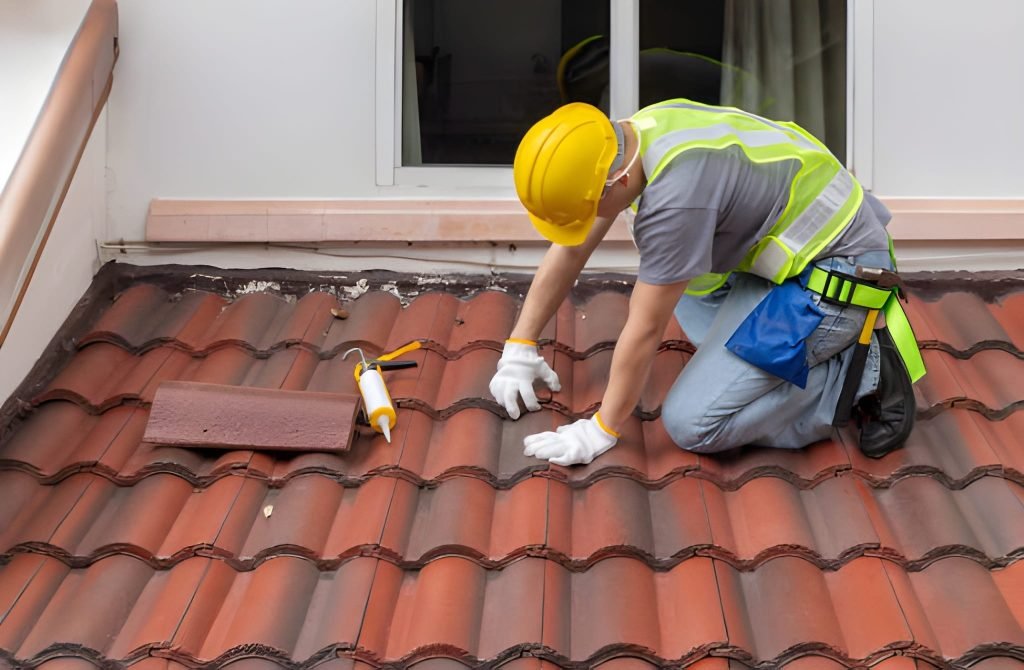
Identifying Roof Problems: Essential Steps for Timely Repairs
Early detection of roof problems is essential to avoid costly repairs and extend roof lifespan. Minor issues like curling shingles, small leaks, or moss growth often start subtly but worsen over time. According to the Insurance Institute for Business & Home Safety (IBHS), timely inspections can reduce repair costs by up to 40%. Homeowners should schedule biannual inspections and immediately check for damage after storms to maintain protection and prevent further deterioration.
Common Warning Signs
Roofs show problems before major failure occurs. Look for curling, cracked, or missing shingles, water stains on ceilings, sagging areas, and moss or algae growth. Early recognition allows for timely repairs, preventing structural damage. According to the IBHS, identifying these warning signs promptly can lower repair expenses significantly and reduce the risk of emergency replacements.
Repair vs. Replacement Decisions
Not all roof damage requires full replacement. Minor issues like loose shingles, small leaks, or damaged flashing may be resolved with repairs. However, roofs older than 25–30 years or extensively damaged roofs often need replacement to maintain safety and durability, per NRCA recommendations. Evaluating age, material type, and severity of damage helps homeowners make informed decisions, balancing cost-effectiveness with long-term protection.
Seasonal Damage Considerations
Roofs face different challenges in each season. Understanding these risks allows proactive maintenance and timely repairs, minimizing weather-related damage.
Winter
Ice dams and heavy snow accumulation can compromise shingles and underlayment. Proper attic insulation and ventilation prevent leaks and structural stress. Removing snow safely and monitoring vulnerable areas is key to avoiding costly winter roof repairs.
Spring
Spring brings heavy rainfall, revealing weak spots in roofing. Clogged gutters from debris may cause water pooling, accelerating shingle wear and leaks. Post-storm inspections are critical for detecting subtle damage before it worsens during warmer months.
Summer
Intense sunlight and heat degrade roofing materials, causing shingle curling, fading, or cracking. Installing reflective shingles, coatings, or heat-resistant materials helps extend lifespan, improve energy efficiency, and protect against UV-related deterioration.
Fall
Falling leaves block gutters and drainage systems, leading to water buildup and potential leaks. Autumn inspections and cleaning debris from gutters prepare roofs for winter weather, preventing ice dams and water damage during colder months.
Roofing Expenses Explained: Plan, Budget, and Avoid Surprises
Understanding roofing costs is essential for homeowners planning repairs, replacements, or installations. Costs vary based on roof size, slope, complexity, materials, and labor rates. Additional factors such as permits, disposal fees, and compliance with local building codes also affect the final price. According to NRCA, careful budgeting, combined with regular inspections, reduces unexpected expenses and ensures long-term durability. Planning ahead protects both your roof and your wallet from costly surprises.
Key Cost Factors
Roofing expenses are influenced by the size, shape, and pitch of your roof. Features like skylights, chimneys, or dormers add labor and material costs, increasing complexity. Material selection whether asphalt shingles, metal, or specialty options, also heavily affects pricing. Permits, disposal, and insurance compliance further contribute to the total cost. By understanding these variables, homeowners can estimate expenses accurately, prioritize necessary upgrades, and avoid financial surprises during installation or repair projects.
Seasonal Cost Variations
Roofing prices fluctuate depending on the time of year and contractor demand. During peak seasons like spring and summer, labor and material costs can rise by 20–30% due to high demand. Conversely, scheduling projects in the off-season, such as fall or winter, can reduce costs and allow faster project completion. Seasonal planning also provides an opportunity to coordinate inspections and maintenance, reducing weather-related damage and improving efficiency in roofing repairs or replacements.
Maintenance vs. Emergency Repair Costs
Routine roof maintenance is more cost-effective than emergency repairs. Regular inspections, cleaning, and minor repairs help prevent serious issues, saving 40–50% compared to unplanned emergency fixes, according to NRCA. Preventive actions include gutter cleaning, shingle replacement, flashing checks, and leak detection. Investing in routine care extends roof lifespan, maintains warranty validity, and reduces insurance claims, providing peace of mind while avoiding sudden financial burdens from unexpected roof damage.
Roofing Contractor Secrets: How to Hire for Safety and Quality
Selecting a qualified contractor ensures your roof is installed or repaired safely, meets building codes, and lasts longer. Proper vetting and documentation prevent fraud, legal issues, and poor workmanship, protecting both your investment and home.
Red Flags of Fraudulent or Unlicensed Contractors
Watch for contractors with no license, unrealistically low quotes, or cash-only requests. These signs often indicate fraud or substandard work. Licensed contractors comply with regulations and ensure quality, providing homeowners with legal protection and peace of mind.
Key Questions Before Hiring
Ask about licenses, insurance, warranties, and client references. Understanding a contractor’s experience and past work ensures reliability, timely completion, and compliance with local building codes, reducing risks of delays, poor quality, or legal complications.
Importance of Written Contracts
Written contracts outline project scope, materials, costs, and timelines, protecting homeowners legally. They serve as proof for insurance claims or disputes and ensure all agreements are documented clearly to prevent misunderstandings or unexpected expenses.
Roof Maintenance and Longevity Tips
Regular Inspections and Cleaning
Biannual inspections catch minor issues early. Check shingles, flashing, gutters, and ventilation. Document findings for warranties or insurance.
Moss, Algae, and Debris Prevention
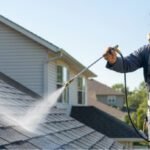
Regular cleaning prevents moss growth and water retention. Eco-friendly treatments are safe and effective.
Seasonal Preparations for Extreme Weather
Reinforce loose shingles, trim overhanging branches, and maintain gutters. These measures reduce risk during storms.
Preventive Maintenance Schedule
Monthly and quarterly checks, plus annual professional inspections, maximize lifespan and protect warranties.
Modern Roof Solutions for Smart, Durable, and Energy-Efficient Homes
Modern roofing combines durability, efficiency, and innovation. Homeowners increasingly seek solutions that save energy, reduce environmental impact, and simplify maintenance. Trends include sustainable materials, solar-ready designs, and smart technology, offering long-term value, cost savings, and improved home protection.
Sustainable and Eco-Friendly Options
Recycled shingles, energy-efficient coatings, and green roofs minimize environmental impact. These materials often qualify for tax incentives or rebates, reduce energy costs, and promote sustainability. Homeowners benefit from longer-lasting materials while contributing to eco-conscious construction practices.
Solar-Ready Roofs
Integrating solar panels with roofing enhances energy efficiency and reduces utility costs. Proper planning ensures that roof structure, materials, and durability support solar installation, providing long-term savings without compromising safety or performance.
Smart Roof Technology
Sensors embedded in roofs monitor leaks, moisture, and temperature fluctuations. Early detection enables proactive maintenance, preventing costly damage. Smart roof systems enhance longevity, minimize emergency repairs, and offer real-time insights for homeowners and property managers.
Protecting Your Investment: Insurance and Risk Management
Proper insurance and risk management protect homeowners from unexpected roofing expenses. Understanding coverage, filing claims correctly, and preparing for emergencies ensures repairs are handled efficiently, minimizing financial and structural impact.
Understanding Coverage Types
Check liability, replacement, and storm damage coverage. Optional endorsements like hail, wind, or fire protection provide extra security. Knowing your policy prevents gaps and unexpected expenses during roof damage events.
Filing Claims Effectively
Document all damage, maintain inspection reports, and work with licensed adjusters. Proper documentation ensures claims are processed smoothly and fairly, avoiding disputes or delays in receiving coverage for repairs.
Emergency Preparedness for Roof Damage
Use temporary tarps and hire rapid-response contractors to prevent further damage. Immediate action protects your home from weather exposure while permanent repairs are scheduled safely and efficiently.
Advanced Repair Techniques and Solutions
Modern repair strategies maintain roof durability and appearance. Proper techniques for shingles, flat roofs, and key components like gutters, flashing, and vents prevent leaks, water damage, and costly structural problems.
Shingle Replacement Strategies
Professional shingle replacement ensures proper color matching and installation. Correct alignment prevents leaks, improves aesthetics, and extends roof lifespan, maintaining both functionality and home value.
Flat Roof Repair Solutions
Flat roof repairs include membrane patching, sealing, and protective coatings. These methods prevent water pooling, increase durability, and reduce the risk of leaks or structural damage.
Gutter, Flashing, and Vent Maintenance
Regular maintenance of gutters, flashing, and vents ensures proper water drainage and airflow. Preventing blockages and deterioration avoids leaks, mold growth, and structural damage to the roof and home.
Conclusion: Protect Your Home with Smart Roofing Choices
A durable, well-maintained roof not only protects your home from weather and structural damage but also enhances energy efficiency and increases property value. Using quality materials and modern roofing solutions ensures long-term performance and peace of mind.
Regular inspections, timely repairs, and hiring licensed contractors are essential. According to the NRCA, proper upkeep can reduce repair costs by 40%. Smart planning and preventative care turn roofing challenges into a lasting investment for safety, efficiency, and durability.
Schedule a professional roof inspection now and ensure your home stays safe, efficient, and durable for years to come.
Frequently Asked Questions
1. How often should I inspect my roof?
Homeowners should inspect their roof at least twice a year, in spring and fall, and after major storms. Regular inspections catch small issues before they become costly repairs.
2. What are the signs that my roof needs repair or replacement?
Look for curling, cracked, or missing shingles, water stains on ceilings, sagging areas, moss growth, and leaks. Early detection prevents structural damage and expensive emergencies.
3. How long does a typical roof last?
Lifespan varies by material: asphalt shingles last 20–30 years, metal roofs up to 50 years, and slate or clay tiles can exceed 75 years when properly maintained.
4. Which roofing materials are best for extreme weather?
Metal roofs, impact-resistant shingles, and specialty materials like slate or clay handle heavy rain, wind, hail, and UV exposure. Always ensure materials meet ASTM and local building standards.
5. Can I perform roof maintenance myself, or should I hire a professional?
Simple cleaning and gutter maintenance can be done safely, but inspections, repairs, and replacements should be handled by licensed contractors to comply with safety regulations and insurance requirements.
6. How much does a roof replacement typically cost?
Costs depend on roof size, slope, materials, labor, permits, and seasonal variations. On average, delaying maintenance can increase repair costs by several thousand dollars. Budget planning is essential.
7. Will my homeowner’s insurance cover roof damage?
Coverage varies. Check for storm, hail, wind, and water damage protection. Keep inspection reports and hire licensed contractors to ensure claims are approved efficiently.
8. What seasonal maintenance tasks are essential?
Winter: Remove heavy snow, check ice dams. Spring: Clear debris, inspect for storm damage. Summer: Monitor UV damage, seal cracks. Fall: Clean gutters, prepare for snow.