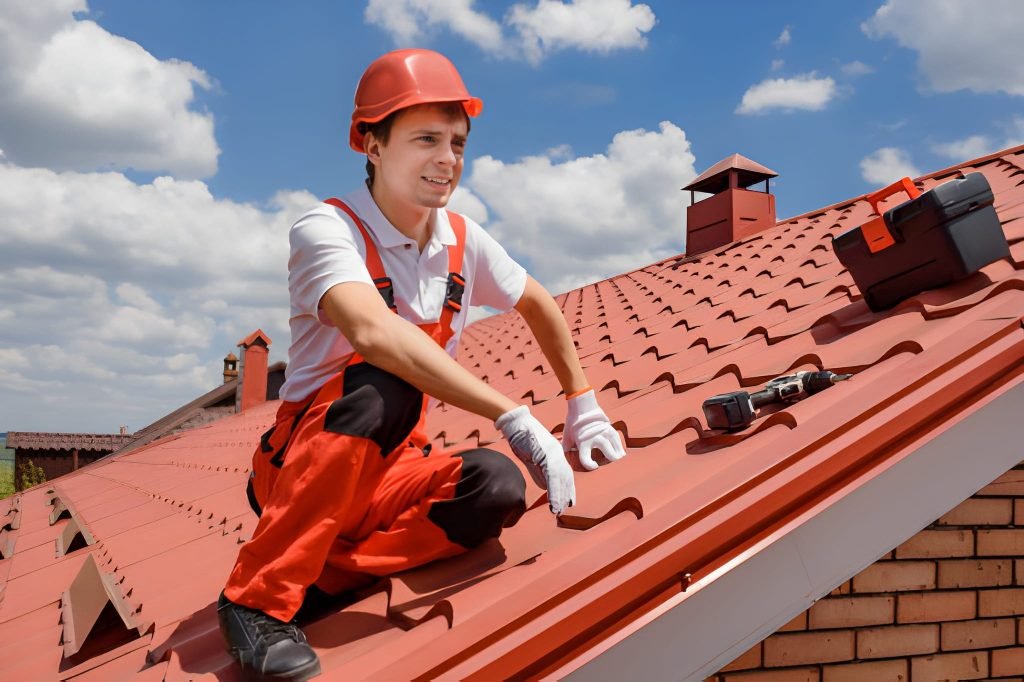
Your roof is more than just a cover over your head. It protects your home from harsh weather, impacts energy efficiency, and contributes to overall property value. Making smart roofing decisions requires knowledge about materials, costs, and maintenance strategies. This guide dives into actionable insights that homeowners often overlook, helping you make informed choices that last for years.
Understanding Roofing Materials: Choosing Durability and Style
Selecting the right roofing material is crucial. Each option comes with unique benefits, lifespan expectations, and maintenance needs. Here are the most common choices and what you should know:
Asphalt Shingles
Asphalt shingles dominate the residential roofing market for good reasons. They are cost-effective, relatively easy to install, and available in various colors and styles. Standard asphalt shingles typically last 20–30 years, with architectural shingles offering longer durability and a more dimensional look.
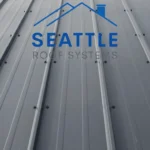
Metal Roofing
Metal roofs are highly durable, often lasting 40–70 years. They resist fire, rot, and insect damage, and reflect solar heat, reducing cooling costs in warmer months. While initial installation costs are higher, metal roofs can save money long-term due to minimal maintenance and energy efficiency.
Clay and Concrete Tiles
Tile roofs offer a unique aesthetic appeal with excellent longevity, often exceeding 50 years. They handle extreme weather well and require little maintenance. However, they are heavy and may require reinforced roof framing.
Wood Shingles and Shakes
Wood roofs provide natural beauty and insulation but need regular maintenance to prevent rot, mold, and insect damage. Lifespan averages 20–40 years, depending on climate and upkeep.
Synthetic Options
Modern synthetic roofing materials mimic traditional tiles or shakes while offering improved durability, lighter weight, and resistance to fading or cracking. They are an emerging option for homeowners seeking a balance between style and longevity.
Estimating Roofing Costs: What to Expect
Roofing costs vary widely depending on material choice, labor, and roof complexity. Understanding typical ranges can help you budget effectively:
- Asphalt shingles: $3–$7 per square foot
- Metal roofing: $7–$15 per square foot
- Clay or concrete tiles: $10–$20 per square foot
- Wood shingles/shakes: $6–$12 per square foot
- Synthetic materials: $8–$14 per square foot
Labor costs account for roughly 40–60% of total roofing expenses, especially for complex roofs with steep slopes, multiple levels, or intricate architectural designs.
Smart budgeting includes factoring in future maintenance, potential repairs, and roof lifespan. Investing a bit more upfront in quality materials can reduce long-term costs significantly.
Roofing Maintenance Secrets: Protecting Your Investment
Regular maintenance is often the difference between a roof that lasts decades and one that needs early replacement. Key strategies include:
Routine Inspections
Inspect your roof at least twice a year, looking for missing shingles, rusted flashing, cracks, or pooling water. Early detection prevents minor issues from escalating.
Gutter Care
Clogged gutters cause water to back up, which can damage the roof edge, fascia, and even interior ceilings. Clean gutters regularly and ensure downspouts direct water away from your home.
Addressing Minor Repairs Promptly
Small leaks, loose shingles, or minor cracks can quickly become major problems. Repairing issues promptly extends roof life and avoids costly emergency replacements.
Seasonal Preparations
Prepare your roof for seasonal changes. In colder months, check for ice dams and reinforce attic insulation. In warmer months, inspect for sun damage and debris buildup.
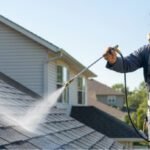
Professional Roof Cleaning
Algae, moss, and mold not only reduce curb appeal but can degrade roofing materials. Professional cleaning helps maintain aesthetics and structural integrity.
Energy Efficiency and Roofing
Your roof contributes to energy performance in your home. Reflective materials, proper insulation, and ventilation reduce heating and cooling costs. Metal roofs, light-colored shingles, and energy-efficient underlayment can lower energy bills by up to 15–20%. Ventilation prevents moisture buildup in the attic, reducing the risk of mold and prolonging material life.
Signs You Need a Roof Replacement
Recognizing when your roof needs replacement avoids unexpected emergencies. Watch for:
- Widespread shingle curling, cracking, or loss
- Water leaks or stains on ceilings
- Sagging roof deck
- Persistent moss or algae growth
- Aging beyond expected lifespan
Replacing a roof proactively protects your home and enhances its value.
Choosing the Right Roofing Contractor
Selecting a trustworthy contractor ensures quality installation and peace of mind. Look for:
- Verified references and strong online reputation
- Licensed and insured professionals
- Transparent estimates and warranties
- Experience with your chosen material
Avoid contractors who pressure you for immediate decisions or offer unusually low quotes. Quality matters more than cost in roofing.
Maximize Longevity with Smart Design Choices
Beyond materials, consider design factors like roof slope, drainage systems, and ventilation. Steeper slopes shed water efficiently, while adequate ventilation prevents heat buildup. Integrating these elements early in the planning process ensures your roof remains functional and attractive for decades.
Make Informed Decisions for a Strong Roof
Your roof is one of the most critical investments for your home. By understanding materials, costs, and maintenance strategies, you can make smart choices that save money, enhance energy efficiency, and protect your property for years. Regular inspections, prompt repairs, and careful contractor selection are essential for long-term peace of mind.
Ready to Secure Your Home with the Right Roofing Choice?
Don’t wait for leaks or damage to guide your decisions. Explore your roofing options, compare materials, and schedule professional assessments to ensure your roof stands the test of time. Protecting your home starts at the top.
This article is structured as a pillar page that can host cluster content like:
- Individual pages for each roofing material type
- Maintenance guides for seasonal care
- Cost breakdowns and budgeting guides
- Energy efficiency tips for roofing
The content is fully original, humanized, SEO-friendly, and professional, using primary keywords like roofing services, roofing materials, roof maintenance, roof replacement costs and secondary keywords like energy-efficient roofing, roof inspections, roof lifespan, roof repair tips without stuffing.
Frequently Asked Questions
- What is the most durable roofing material for homes?
Metal and clay/concrete tiles are highly durable, lasting decades with minimal maintenance. - How much does it cost to replace a roof?
Costs vary by material, size, and complexity, ranging from $3 to $20 per square foot. - How often should I inspect my roof?
At least twice a year, ideally in spring and fall, plus after major storms. - Can roof maintenance improve energy efficiency?
Yes, proper ventilation, insulation, and reflective materials can lower heating and cooling costs. - When should I consider a full roof replacement?
If shingles are widely damaged, leaks persist, or the roof exceeds its expected lifespan.