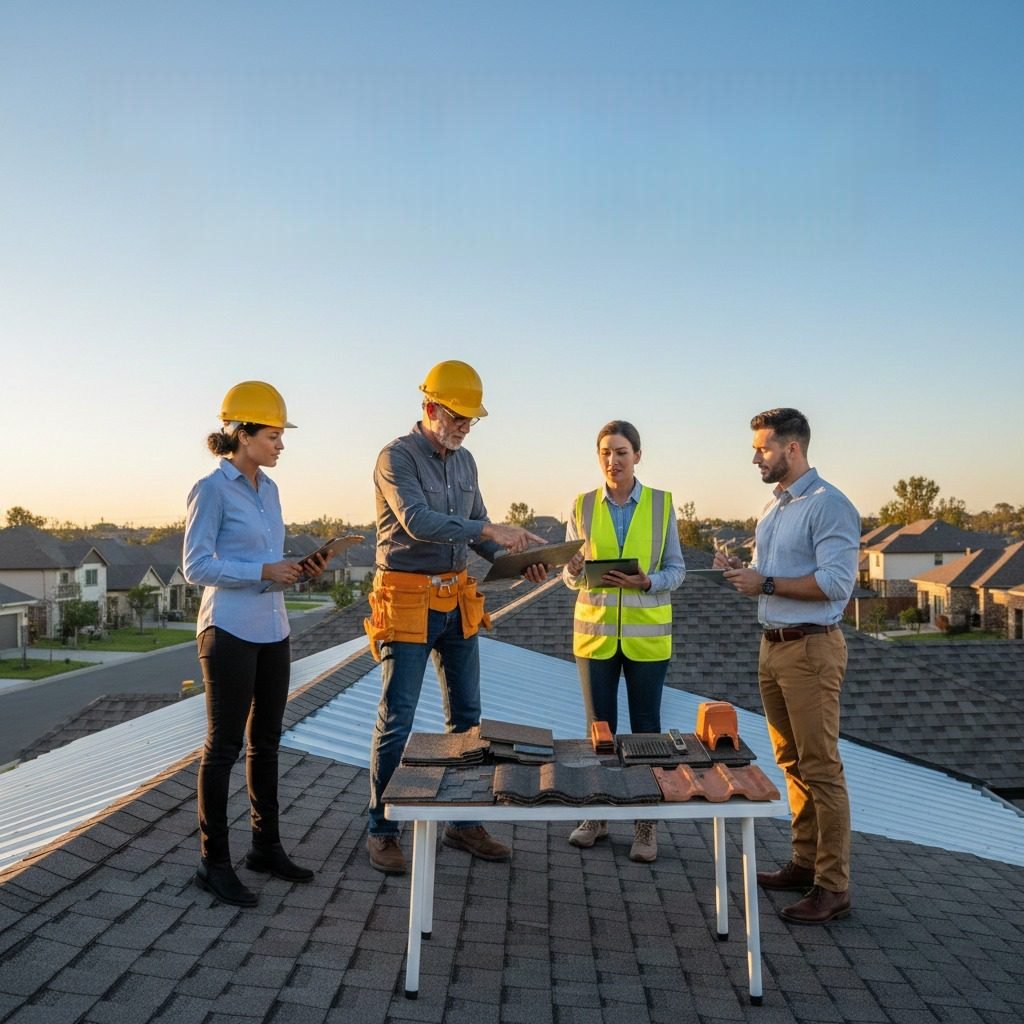
The lifespan of a residential roof typically ranges from 15 to over 50 years, depending primarily on the material you choose. Asphalt shingles, the most common residential material, generally last between 15 and 30 years. More durable options like metal, clay tile, or slate can endure for 50 years or longer, often outlasting the time a homeowner lives in the house.
While materials set the baseline, the actual mileage you get from a roof depends heavily on installation quality, local weather patterns, and regular maintenance. A premium metal roof installed poorly will fail faster than a standard shingle roof installed correctly. This guide breaks down exactly what you can expect from different roofing systems and how to maximize that investment. Seattle Roof System has seen firsthand how specific environmental factors in the Pacific Northwest shorten these timelines if homeowners are not vigilant.
Expected Lifespan by Material Type
Roofing materials vary significantly in durability, cost, and resistance to the elements. Understanding these differences helps in planning long-term budgets and maintenance schedules.
Asphalt Shingles (15 to 30 Years)
Asphalt shingles cover roughly 70% of homes in North America because they are affordable and effective.
3-Tab Shingles: These are the most basic and economical options. They typically last 15 to 20 years. They are thinner and more susceptible to high winds.
Architectural Shingles: Also known as dimensional shingles, these are thicker and layered. They offer better wind resistance and usually last 20 to 30 years.
Metal Roofing (40 to 70 Years)
Metal roofs have gained popularity for their longevity and low maintenance.
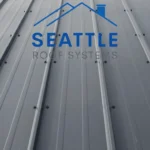
Standing Seam: These feature concealed fasteners, preventing leaks around screw holes. They can easily last 50 to 70 years.
Screw-Down Panels: These have exposed fasteners that require tightening or replacing every 10 to 15 years, though the panels themselves last 40 years or more.
Wood Shingles and Shakes (25 to 30 Years)
Wood shingles and shakes offer a natural aesthetic that many homeowners love. However, they require significant maintenance to prevent rot, moss, and fire hazards. Without consistent care, their lifespan drops drastically.
Slate, Concrete, and Clay Tiles (50 to 100+ Years)
These are the heavyweights of the roofing world. Natural slate and fired clay are incredibly durable. Data from the National Association of Home Builders indicates that slate and copper roofing systems have a life expectancy of over 50 years, often lasting a century. The primary downside is the weight; the home’s structure must be strong enough to support them.
Comparison of Popular Roofing Materials
| Material Type | Estimated Lifespan | Maintenance Level | Best For |
| 3-Tab Asphalt | 15–20 Years | Moderate | Budget-conscious projects |
| Architectural Asphalt | 20–30 Years | Low–Moderate | Balance of cost and performance |
| Metal (Standing Seam) | 50–70 Years | Low | Long-term ownership, harsh climates |
| Wood Shakes | 25–30 Years | High | Historic or rustic aesthetics |
| Clay/Concrete Tile | 50–100 Years | Low | Hot climates, longevity |
| Slate | 75–100+ Years | Low | Luxury homes, maximum durability |
Factors That Shorten Your Roof’s Life
Weather and Climate
In the Pacific Northwest, rain and tree cover create the perfect environment for moss and algae. Moss lifts shingles as it grows, allowing water to seep underneath. In contrast, intense sun in southern climates causes asphalt to dry out and crack over time. A report by State Farm notes that hail damage remains one of the most common reasons for early roof replacement, as impact marks can fracture the underlying fiberglass mat of a shingle.
Installation Quality
The skill of the installer matters more than the brand of the shingle. Poor ventilation is a silent killer. If an attic cannot breathe, heat and moisture build up, cooking the shingles from the bottom up and rotting the roof deck. Improper flashing around chimneys and vents is another common failure point that leads to leaks years before the roof surface wears out.
Bonus Tip: Ask your contractor about their specific method for installing valley flashing. Open metal valleys generally last longer and clear debris better than woven shingle valleys.
Lack of Maintenance
Neglect accelerates aging. Gutters clogged with leaves cause water to back up under the eaves, rotting the fascia and decking. Failing to remove moss traps moisture against the roof surface, accelerating granule loss on asphalt shingles.
Things to Consider Before Making a Decision
Length of Home Ownership
If you plan to sell in five years, investing in a slate roof usually does not yield a full return on investment.A clean, new architectural shingle roof in Seattle is often sufficient to increase curb appeal. For a “forever home,” spending extra on metal or tile pays off by eliminating likely future replacement costs.
HOA and Aesthetic Restrictions
Many Homeowners Associations dictate exactly what materials and colors are permitted. A metal roof might last longer, but if the HOA requires cedar shakes or a specific color of asphalt, those rules take precedence.
Structural Integrity
Heavy materials like slate or concrete tile require a reinforced roof deck. A standard frame built for asphalt shingles may collapse under the weight of tile. A structural engineer often needs to assess the home before switching to these heavier systems.
Market Insights on Roofing Value
Investing in a roof is also investing in home value. According to the “Cost vs. Value” report by Remodeling Magazine, homeowners can expect to recoup approximately 60% to 65% of the cost of a new asphalt shingle roof upon resale. This makes it a solid renovation project for maintaining asset value.
Furthermore, insurance premiums often drop when upgrading to more durable materials. Many insurance companies offer discounts for Class 4 impact-resistant shingles or metal roofs because they are less likely to sustain damage during storms.
Technical Considerations and Warranties
Can You Roof Over Existing Shingles?
This process is called an “overlay.” While legal in many jurisdictions (usually up to two layers), it is rarely recommended. Trapping the old shingles underneath retains heat, which shortens the life of the new shingles. It also prevents the roofer from inspecting the decking for rot.
How Do Warranties Work?
Roofing warranties typically cover two things: manufacturer defects and workmanship. Manufacturer warranties cover the material itself but often exclude labor for replacement. Workmanship warranties come from the contractor and cover installation errors. A long material warranty is useless if the installation warranty is only one year.
General Maintenance FAQs
How do I know if I need a new roof or just a repair?
You likely need a replacement if you see widespread granule loss, curling shingles, or daylight coming through the attic boards. Isolated leaks or a few missing shingles caused by a storm can often be repaired without replacing the entire system.
Does a metal roof interfere with Wi-Fi or cell reception?
No, a metal roof typically does not block signals. In a residential setting, you are unlikely to notice any difference in cell service or Wi-Fi speeds compared to an asphalt roof.
How often should I have my roof inspected?
You should schedule a professional inspection every three to five years and after any major storm event. Self-checks from the ground using binoculars should happen twice a year, specifically in spring and fall.
Is it necessary to remove snow from my roof?
In most cases, residential roofs are designed to handle expected snow loads. However, if ice dams form along the eaves or the snow accumulation becomes excessive (over two feet of heavy, wet snow), professional removal is safer to prevent structural strain and leaks.
Do solar panels ruin a roof?
Solar panels protect the portion of the roof they cover from UV rays and weather. However, the roof underneath should be relatively new before installation. Installing panels on an old roof often leads to high costs later when the panels must be removed to replace the roofing material.
Making the Right Choice for Your Home
The longevity of a roof is a combination of the material science and the care it receives. While asphalt shingles offer a practical solution for decades, metal and tile provide multi-generational durability for a higher upfront cost. Assessing local weather risks, budget constraints, and long-term housing plans ensures the selected system performs as expected. Regular inspections and prompt maintenance remain the most effective tools for extending the life of any roof.
Get Professional Advice for Your Roof
Your roof is the first line of defense against the elements. If you are unsure about the condition of your current system or need guidance on the best materials for the Pacific Northwest climate, Seattle Roof System is ready to assist.
Contact Seattle Roof System:
Phone: (425) 996-1386
Email: zoom@seattleroofsystems.com
Reach out today to ensure your home remains safe, dry, and protected for years to come.
Sources
- National Association of Home Builders – National Association of Home Builders
- State Farm – State Farm
- Remodeling Magazine – Remodeling Magazine