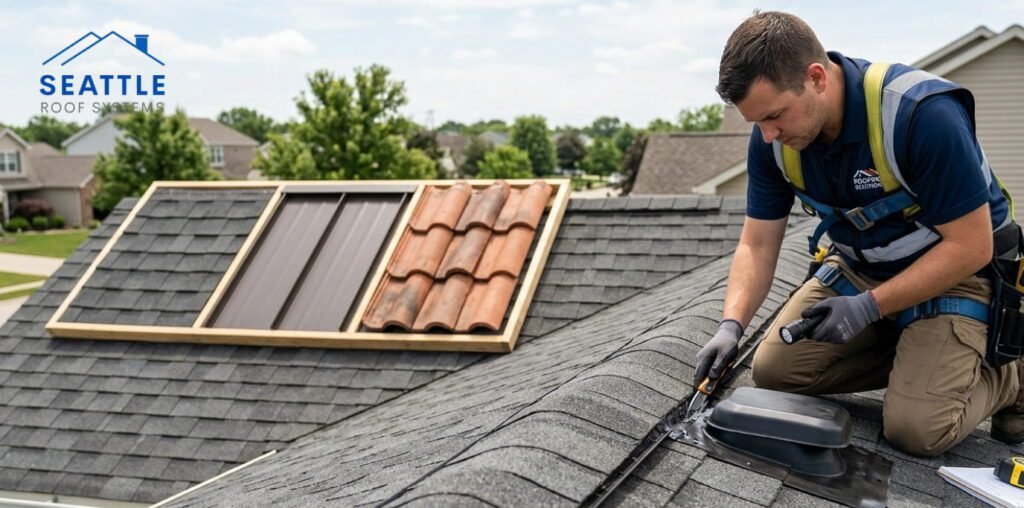
Homeowners usually spend between $5,700 and $12,500 for a standard roof replacement on a mid-sized house. The average cost of a new roof for a 2,000-square-foot home using asphalt shingles typically falls around $9,100. This price changes based on the roof size, the slope of the structure, and the local labor rates. Regarding longevity, the average roof lifespan ranges from 20 to 50 years. Asphalt shingles generally last about 20 years, while premium materials like metal or tile can serve a home for over half a century.
The following details provide a comprehensive look at pricing structures, material durability, and regional factors that influence these numbers. This information is based on years of observing how different roofing service perform in various climates and conditions. Understanding these variables helps property owners make informed decisions about their most significant home investment.
Primary Factors Affecting Roof Replacement Pricing
The cost to replace a roof is rarely a flat rate. Contractors look at several variables before providing an estimate. The most obvious factor is the square footage of the roof surface. In the roofing industry, a “square” refers to a 100-square-foot area. Labor and material costs are calculated based on how many squares are required to cover the structure.
Roof pitch or slope also influences the final bill. Steeper roofs are more difficult to navigate and require specialized safety equipment. This increases the time spent on the project and the total cost of labor. A flat or low-slope roof might be easier to walk on, but it requires different, often more expensive, waterproofing materials to prevent pooling water.
Removal of the old roof is another expense. Some local building codes allow for a second layer of shingles to be installed over the first. However, this often shortens the life of the new materials because it traps heat. Stripping the old materials down to the wooden deck allows for a thorough inspection of the underlying structure. If the wood is rotted, replacing those panels will add to the total cost.
Comparing Roof Lifespan and Costs by Material
Material choice is the primary driver of both initial expense and long-term value. While asphalt remains the most popular choice due to its low entry price, other materials offer better long-term protection.
Cost and Durability Estimates
| Material Type | Cost Per Square Foot | Average Lifespan |
|---|---|---|
| Asphalt Shingles (3-Tab) | $3.50 to $5.50 | 15 to 20 Years |
| Architectural Shingles | $4.50 to $7.00 | 25 to 30 Years |
| Metal Roofing (Steel) | $8.00 to $16.00 | 40 to 70 Years |
| Wood Shakes | $10.00 to $18.00 | 25 to 35 Years |
| Clay or Concrete Tiles | $12.00 to $25.00 | 50 to 100 Years |
| Natural Slate | $20.00 to $45.00 | 75 to 150 Years |
A study from Forbes Home indicates that labor typically accounts for about 60 percent of the total project cost. This means that while a material might seem cheap, the complexity of the installation can still drive the price up.
Bonus Tip: Ventilation and Longevity
To maximize the value of these materials, proper attic ventilation is just as significant as the shingles themselves. If heat and moisture cannot escape the attic, the shingles will bake from the underside. This causes them to curl and lose their protective granules prematurely. Ensuring a balanced intake and exhaust system can add five to ten years to a roof’s life.
Understanding the Roof Replacement Cost Per Square Foot
When calculating the roof replacement cost per square foot, homeowners should look beyond just the shingles. The total price includes the underlayment, flashing, vents, and disposal fees. In many urban areas, disposal fees for heavy old roofing materials can reach several hundred dollars per ton.
According to data published by HomeAdvisor, the national average for a complete roof installation ranges from $150 to $500 per square for asphalt. Metal and specialty materials can range from $800 to $1,500 per square foot. These price ranges reflect the difference between a simple garage roof and a complex residential home with multiple gables and chimneys.
Climate Impacts on Roof Lifespan
The local environment dictates how long a roof will actually last. In regions with heavy rainfall and consistent humidity, moss and algae can become major issues. Moss holds moisture against the surface, which can rot the shingles and the wooden deck beneath them.
In the Pacific Northwest, the professional roof repairs that Seattle homeowners request often focus on clearing debris that traps moisture. Constant dampness can turn a 30-year shingle into a 15-year shingle if the roof is not maintained. Conversely, in very hot climates, UV rays are the primary enemy. Sunlight breaks down the chemical bonds in asphalt, making the shingles brittle over time.
Bonus Tip: Gutter Maintenance
In addition to managing climate-driven growth, keeping gutters clean is a simple way to extend the life of the roof edge. When gutters clog, water backs up under the first row of shingles. This leads to fascia rot and can damage the structural rafters of the home.
Things to Consider Before Making a Decision
Before signing a contract, homeowners should evaluate several factors that influence long-term satisfaction and budget.
- Local Building Codes: Some municipalities limit the number of shingle layers or require specific fire-rated materials.
- Home Values: In some neighborhoods, a premium roof like slate or metal can significantly increase the resale value of the home.
- Warranty Terms: There are two types of warranties: manufacturer warranties for the material and workmanship warranties for the installation. Always verify the length and coverage of both.
- Future Plans: If the plan is to sell the house within five years, a standard asphalt roof might be the most logical choice. If the home is a lifelong residence, metal or tile may be more cost-effective over several decades.
Professional Maintenance and Repairs
Small issues can quickly turn into expensive replacements if ignored. A missing shingle or a cracked piece of flashing around a vent might only cost a few hundred dollars to fix. If left alone, water will seep into the insulation and ceiling, leading to thousands of dollars in interior damage.
Regular inspections, ideally twice a year, help identify these minor problems. Research from State Farm suggests that checking the roof after major wind or hail storms is the best way to catch damage before leaks occur.
Common Questions Regarding Costs and Durability
Homeowners often ask if they can save money by doing the work themselves. Roofing is dangerous and requires specific knowledge of water-shedding patterns. A DIY mistake can void a material warranty and lead to structural damage that costs far more than the initial savings.
Another frequent question involves the timing of the replacement. Prices often fluctuate based on the season. Many contractors offer more competitive rates during the late fall or early winter when the schedule is less busy, provided the weather allows for safe installation.
Essential Answers for Property Owners
Does a steep roof cost more?
Yes, steep roofs require more labor and specialized safety equipment. Workers move more slowly on steep inclines, and the risk of materials sliding off increases the time needed for a safe installation.
How do I know if I need a full replacement or just a repair?
If the roof has multiple leaks or if more than 30 percent of the surface is damaged, a replacement is usually more cost-effective. Also, if the shingles are brittle and losing granules, they have reached the end of their functional life.
Will insurance cover my new roof?
Insurance generally covers roof replacement if the damage was caused by a specific event like a storm, fire, or fallen tree. It rarely covers replacement due to age or lack of maintenance.
What is the most durable roofing material?
Slate is widely considered the most durable material, often lasting over 100 years. However, it is very heavy and requires a reinforced home structure to support the weight.
Can I change my roofing material during replacement?
Yes, but the structure must be able to support the new weight. Moving from asphalt to tile or slate often requires a structural engineer to inspect the rafters and load-bearing walls.
Summary of Roofing Options
Choosing a new roof involves balancing immediate budget constraints with long-term goals. While the average cost of a new roof is a significant expense, it protects the entire structure of the home. Asphalt shingles offer the lowest upfront cost, but metal and tile provide superior longevity.
Homeowners should prioritize high-quality underlayment and proper ventilation to get the most value from their investment. By monitoring the condition of the roof and addressing small leaks quickly, property owners can ensure their roof lasts as long as possible. Evaluate the specific needs of the building and the local climate before selecting the final material.
Professional Roofing Assistance in Washington
Seattle Roof Systems provides expert guidance for homeowners looking to understand their roofing options. For detailed assessments or questions about professional roof repairs, Seattle residents can contact the office directly. Reach out via email at zoom@seattleroofsystems.com or call (425) 996-1386 for more information. Accurate information and quality service help ensure that every home remains dry and protected through every season.
Sources
- Forbes Home – A detailed guide on the national averages for roof replacement costs and labor percentages.
- HomeAdvisor – A comprehensive breakdown of roofing costs based on material type and square footage.
- State Farm – An educational resource explaining how maintenance and environmental factors affect roof longevity.
- Angi – A market data source providing cost ranges for different roofing projects and factors that influence final estimates.