Skip to content
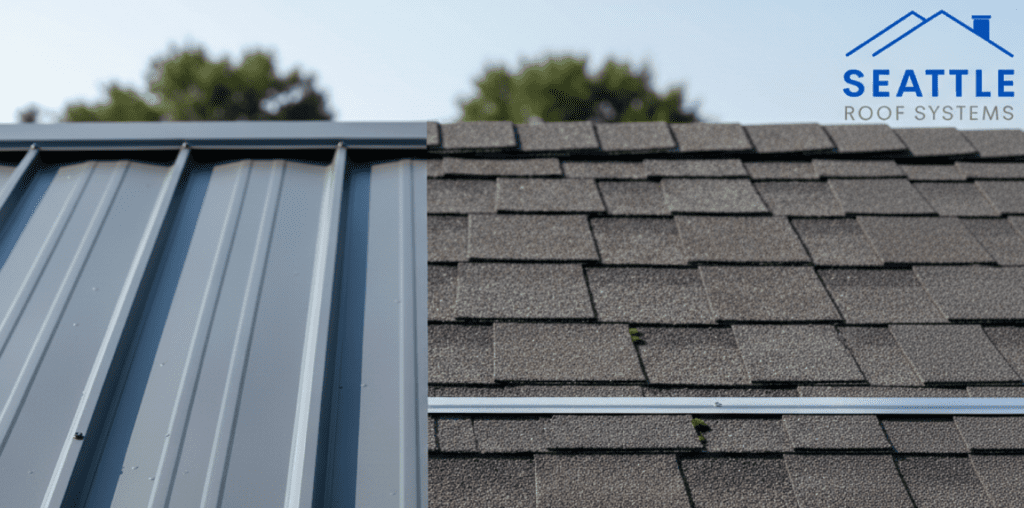
Metal roofing and shingle roofing differ primarily in their lifespan, initial cost, and long-term durability. Metal roofs offer a service life ranging from 40 to 70 years and provide superior resistance to extreme weather, though they require a higher upfront investment. Asphalt shingles typically last 15 to 30 years and offer the lowest initial installation cost, making them the most common choice for residential properties despite needing more frequent replacement.
Choosing between these materials involves weighing immediate budget constraints against the total cost of ownership over several decades. While shingles are easier to repair and widely available, metal panels reflect solar heat more effectively and often increase the resale value of a home. This guide examines the technical and practical differences to help property owners select the right system for their specific environment. Seattle Roof Systems provides this analysis based on years of field observations and structural assessments in various climates.
Lifespan and Material Longevity
The most striking difference between these two systems is how long they remain functional. Most high-quality metal systems utilize steel or aluminum with protective coatings that prevent rust and corrosion for decades. Data from the International Association of Certified Home Inspectors indicates that metal roofing can easily last three times longer than traditional asphalt products.
Asphalt shingles rely on a paper or fiberglass mat saturated with petroleum-based bitumen. Over time, exposure to ultraviolet rays and temperature fluctuations causes the oils in the asphalt to dry out. This leads to cracking, curling, and granule loss. While architectural shingles offer better durability than older three-tab styles, they still eventually succumb to the elements much sooner than metal.
Bonus Tip: Property owners planning to stay in their home for more than 20 years often find that metal is the more economical choice. Even though it costs more on day one, avoiding a full roof replacement 15 years later saves thousands in labor and material inflation.
Initial Investment and Total Cost of Ownership
Financial considerations usually drive the selection process. Shingle roofing remains the industry standard for affordability because the materials are inexpensive to manufacture and the installation process is less labor-intensive. However, looking at the price tag alone ignores the recurring costs associated with shorter-lived materials.
According to a market report by the Metal Roofing Alliance, metal roofing now represents about 12 percent of the residential remodeling market. This growth stems from homeowners recognizing that a “one and done” installation provides better financial security. When a roof lasts 50 years, the cost per year is often lower than shingles that must be replaced twice in the same timeframe.
Performance in Extreme Weather
Environmental resilience is a major differentiator. Metal roofing excels in high wind zones and areas prone to wildfires. Many metal systems carry a Class A fire rating, which is the highest level of protection available. Because metal panels are noncombustible, they do not ignite from windblown embers.
Asphalt shingles are susceptible to wind uplift. During a storm, high winds can catch the edges of shingles and tear them away, exposing the underlayment to rain. While modern adhesives have improved shingle performance, they cannot match the structural integrity of interlocking metal panels.
Resistance to Impact and Snow
In regions with heavy snowfall, metal roofs allow snow to slide off easily, preventing dangerous accumulations. Shingles have a rough, granular surface that holds onto snow, which can lead to ice damming if the attic is not properly ventilated. For hail resistance, many metal roofs receive a Class 4 impact rating. While large hail can dent metal, it rarely punctures the surface, whereas hail can strip the protective granules off shingles immediately.
Energy Efficiency and Environmental Impact
The thermal properties of these materials affect monthly utility bills. Metal is naturally reflective. According to the Cool Roof Rating Council, reflective roofing materials can reduce the surface temperature of a roof by up to 50 degrees Fahrenheit. This prevents heat from migrating into the living space, which lowers air conditioning demand during summer months.
Asphalt shingles tend to absorb heat. Even with modern “cool” granules, the thermal mass of asphalt stays warm long after the sun goes down. This keeps attics hotter for longer periods. From a sustainability perspective, metal is the clear winner. Steel roofing is 100 percent recyclable at the end of its life, and many panels contain up to 40 percent recycled content. Conversely, billions of pounds of asphalt shingles end up in landfills every year.
Technical Comparison of Key Features
The following table summarizes the technical specifications and performance metrics for both roofing types.
| Feature | Metal Roofing | Asphalt Shingle Roofing |
|---|---|---|
| Expected Lifespan | 40 to 70 Years | 15 to 30 Years |
| Average Weight | 50 to 150 lbs per square | 230 to 450 lbs per square |
| Fire Resistance | Class A (Non-combustible) | Class A to C (Varies by type) |
| Recyclability | 100% Recyclable | Limited recycling options |
| Wind Resistance | Up to 140 MPH | 60 to 130 MPH |
| Maintenance Needs | Low (Periodic inspections) | Moderate (Granule loss, moss) |
Bonus Tip: Before installing a metal roof, ensure the attic has high-quality insulation. While metal is energy efficient, its thinner profile can lead to increased noise during rainstorms if the attic space is not adequately dampened with insulation.
Aesthetics and Home Style
The visual impact of a roof defines the curb appeal of a property. Asphalt shingles offer a traditional look that fits almost any neighborhood. They come in a vast array of colors and textures, including styles that mimic wood shakes or slate.
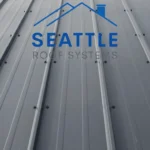
Metal roofing has evolved beyond the industrial “barn” look. Standing seam panels provide a sleek, modern aesthetic with clean vertical lines. There are also stone-coated steel products that look exactly like traditional shingles or clay tiles but offer the strength of metal. Seattle Roof Systems often notices that metal roofs help a home stand out in a competitive real estate market, signaling to buyers that the property is well maintained.
Factors to Consider Before Selecting a System
Before committing to a material, evaluate the local environment and structural requirements of the building.
- Weight Restrictions: Metal is significantly lighter than asphalt. In some cases, metal can be installed over an existing layer of shingles without exceeding weight limits, though stripping the old roof is usually better for inspection purposes.
- HOA Regulations: Some homeowners associations have strict rules about roofing materials. Always check the bylaws to ensure metal is an approved option.
- Local Climate: In coastal areas, salt spray can corrode certain types of metal. In those environments, aluminum or specific protective coatings are necessary.
- Future Plans: If the intent is to sell the home within five years, the lower cost of shingles might be more attractive. If the goal is long-term residency, metal provides better value.
Common Questions Regarding Roof Replacement
Property owners often worry about the sound of rain on metal. With solid sheathing and standard attic insulation, the noise level is nearly identical to shingles. Another concern involves lightning. A report from the Metal Construction Association confirms that metal roofs do not increase the likelihood of a lightning strike. Because metal is a conductor and noncombustible, it is actually a safer material if a strike occurs.
Answers to Frequently Asked Questions
Can solar panels be installed on both types of roofs?
Yes, solar panels work well with both materials. On a standing seam metal roof, solar brackets can often be clamped directly to the seams without piercing the roof surface. Shingle roofs require penetrating the shingles to reach the rafters, which creates more potential leak points over time.
Does a metal roof make a house hotter in the summer?
Actually, the opposite is true. Metal reflects a large portion of the sun’s energy back into the atmosphere. Asphalt shingles absorb that energy and radiate it into the structure. Using a metal roof with a “cool” paint finish can significantly reduce cooling costs.
Is walking on a metal roof dangerous?
Walking on metal requires more care than walking on shingles. Metal can be slippery when wet or dusty. It is also important to wear soft-soled shoes to avoid scuffing the finish. Most manufacturers provide specific “walk zones” or instructions for safely navigating the surface for maintenance.
How do repairs differ between the two?
Repairing shingles is relatively simple because individual shingles can be unsealed and replaced. Metal roof repairs are more complex. If a panel is damaged, it often requires removing several surrounding pieces or applying specialized sealants and patches that match the original finish.
Does insurance cost more for metal roofs?
In many cases, insurance premiums are lower for homes with metal roofs. Because metal is fire resistant and stands up better to wind and hail, some insurance companies offer discounts. Property owners should consult their agents to see if a specific material qualifies for a rate reduction.
Summary of Findings
The choice between metal and shingle roofing depends on the balance between short-term budget and long-term performance. Asphalt shingles provide an accessible entry point with a wide range of styles, making them ideal for those seeking a traditional look on a budget. Metal roofing serves as a premium upgrade that pays dividends through extreme longevity, energy savings, and superior weather protection. Every property owner should evaluate their local climate, their planned duration of ownership, and their aesthetic preferences. Taking the time to analyze these variables ensures a roof that protects the structure effectively for its entire intended lifespan.
Expert Consultation for Your Property
Choosing the right material is a significant decision for any building. Seattle Roof Systems offers professional evaluations to determine which system best fits the structural needs and budget of the property. For detailed assessments or to discuss specific material performance, contact the office at (425) 996-1386 or send an email to zoom@seattleroofsystems.com. Accurate information and professional guidance help ensure that every installation provides lasting protection and peace of mind.
Sources
- International Association of Certified Home Inspectors – Professional association providing data on the life expectancy of various building materials and home components.
- Metal Roofing Alliance – A leading industry resource for residential metal roofing statistics, benefits, and market trends.
- Cool Roof Rating Council – An organization that evaluates and labels the solar reflectance and thermal emittance of roofing products.
Metal Construction Association – A technical authority providing research on the safety and performance of metal in construction.