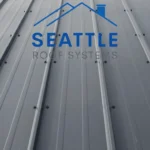
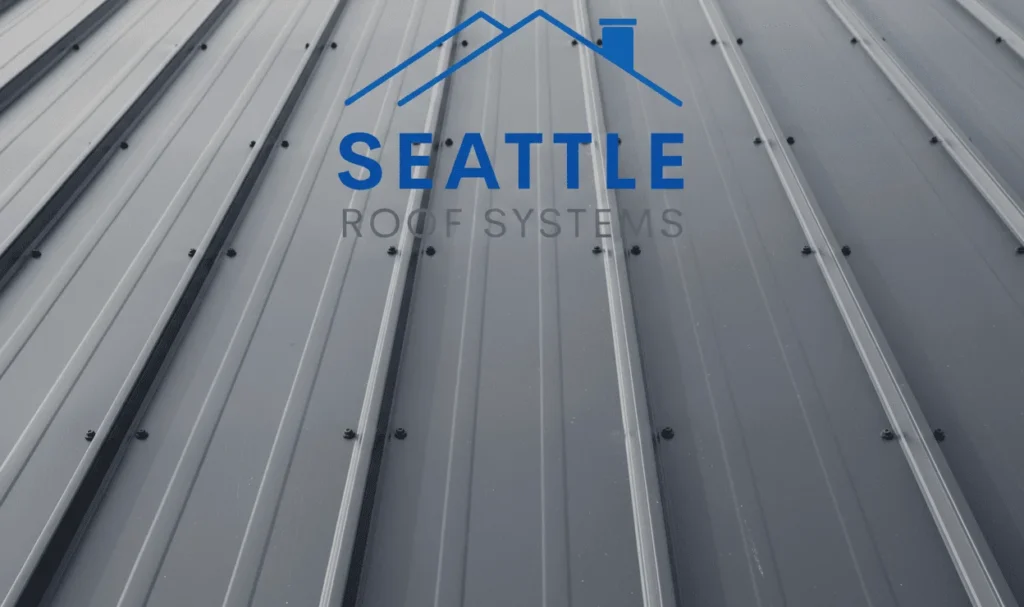
Metal roofing provides a long-term solution for homeowners seeking durability, energy savings, and weather resistance. Most metal roofs last between 40 and 70 years, which is more than double the lifespan of traditional asphalt shingles. This material reflects solar radiant heat, potentially lowering cooling costs by 10% to 25%. Because metal is non-combustible, it offers the highest fire rating available, making it a safe choice for areas prone to wildfires or lightning strikes.
Seattle Roof Systems observes that choosing the right roofing material involves looking at the total cost of ownership rather than just the initial price. While the upfront investment for metal is higher than asphalt, the lack of frequent repairs and the extended replacement cycle often make it more affordable over several decades. This guide explores the technical advantages, material varieties, and practical considerations of installing a metal roof.
Longevity and Extreme Durability
The primary advantage of metal is its ability to withstand harsh environmental conditions without degrading. Unlike wood or asphalt, metal does not rot, crack, or support the growth of mold and mildew. Data from State Farm indicates that these systems can handle wind gusts up to 140 miles per hour, which is equivalent to a Category 4 hurricane. This resistance makes metal an ideal option for regions with high winds or frequent storms.
Impact resistance is another factor where metal excels. Many metal roofing products receive a Class 4 impact resistance rating, which signifies the material can withstand the impact of large hailstones without leaking or suffering structural failure. While some metals like aluminum or copper might dent under extreme hail, they typically maintain their waterproof seal.
Bonus Tip: To ensure the highest level of wind resistance, verify that the installation uses a standing seam system. This design hides the fasteners under the metal folds, preventing wind from catching the edges of the panels and reducing the risk of leaks around screw holes.
Energy Efficiency and Thermal Performance
Metal roofs act as a thermal barrier for the home. Traditional shingles absorb heat and hold it in the attic, forcing air conditioning systems to work harder. In contrast, metal reflects a significant portion of the sun’s rays back into the atmosphere. According to information provided by the Department of Energy, reflective “cool roofs” can stay more than 50 degrees Fahrenheit cooler than traditional dark roofs during the peak of summer.
This thermal efficiency is not limited to hot climates. In winter, the air gap between the metal panels and the roof deck can provide an extra layer of insulation that helps keep heat inside the living space. Because metal is a sustainable material, it is often made from 25% to 95% recycled content. At the end of its long life, the entire roof is 100% recyclable, preventing tons of waste from entering landfills.
Material Variations and Visual Appeal
Homeowners have several choices when it comes to the type of metal used. Each material offers different aesthetic and performance characteristics.
- Steel: This is the most common residential metal roofing material. It is strong, affordable, and coated with zinc (galvanized) or a mix of aluminum and zinc (galvalume) to prevent rust.
- Aluminum: Aluminum is highly recommended for coastal areas. It is naturally resistant to salt spray corrosion that would quickly damage steel.
- Copper: Copper is a premium material that lasts for centuries. It develops a green patina over time and does not require painting or finishing.
- Zinc: Similar to copper, zinc is a self-healing metal. It is extremely durable and used frequently in high-end architectural designs.
Performance Comparison of Common Materials
The following table compares metal roofing to other popular residential options to help clarify its standing in the market.
| Feature | Metal Roofing | Asphalt Shingles | Clay or Concrete Tile |
|---|---|---|---|
| Expected Lifespan | 40 to 70 Years | 12 to 20 Years | 50+ Years |
| Fire Resistance | Class A (Highest) | Class A | Class A |
| Material Weight | 50 to 150 lbs/sq | 200 to 450 lbs/sq | 800 to 1,200 lbs/sq |
| Recyclability | 100% Recyclable | Very Low | Limited |
| Maintenance Needs | Very Low | Moderate | Moderate |
| Heat Reflection | High | Low | Moderate |
Weight and Structural Protection
A surprising benefit of metal is its light weight. While it is incredibly strong, it weighs significantly less than asphalt or tile. This lower weight reduces the stress on the home’s structural frame. In some cases, a metal roof can be installed directly over an existing layer of shingles without requiring extra structural reinforcement.
Heavy materials like clay tile or slate often require a professional engineer to verify that the walls and rafters can support the load. Metal avoids this requirement in almost every situation. This characteristic is especially helpful for older homes that may have settled over time.
Bonus Tip: When installing metal over old shingles, always use a high-quality synthetic underlayment. This acts as a secondary water barrier and prevents the rough surface of the old shingles from scratching the back of the new metal panels.
Things to Consider Before Making a Decision
While the benefits are extensive, homeowners should evaluate specific factors before selecting a metal system.
- Neighborhood Aesthetics: Ensure the style of metal (standing seam, metal shingles, or stone-coated steel) fits the architectural look of the surrounding houses.
- Homeowners Association Rules: Some HOAs have restrictions on the types of roofing materials allowed. Always check the bylaws first.
- Fastener Maintenance: If choosing an exposed fastener system (where screws are visible), the rubber washers may need replacement every 15 to 20 years.
- Attic Insulation: To minimize noise from rain or hail, ensure the attic has adequate insulation. Proper insulation dampens sound effectively, making a metal roof no louder than any other type.
- Local Climate: If the home is within a few miles of the ocean, aluminum is the preferred choice over steel to prevent oxidation.
Common Questions About Metal Roofing
People often worry about lightning or noise when considering metal. Research from the Metal Roofing Alliance clarifies that metal roofs do not attract lightning. Lightning strikes the highest point in an area, regardless of the material. If a strike does occur, the metal provides a conductive path that safely dissipates the electric charge, which minimizes the risk of structural damage.
Regarding noise, a metal roof installed over a solid deck with proper insulation is quiet. The sound of rain on a modern residential metal roof is comparable to the sound on an asphalt roof. The “tin barn” sound only occurs when metal is installed over open framing without a solid substrate or insulation.
Metal Roofing Frequently Asked Questions
Does a metal roof interfere with cell phone reception?
In most cases, a metal roof will not affect your cell phone signal. If you already have a very weak signal inside the home, the metal might slightly decrease it, but for the average user, there is no noticeable difference. Most signal issues are caused by the location of the nearest tower or the materials used in the walls.
Is it possible to walk on a metal roof?
Yes, you can walk on a metal roof, but you must follow the manufacturer’s instructions. Generally, you should walk on the flat areas of the panels or where the supports are located. It is important to wear soft-soled shoes to prevent scratching the finish.
Will a metal roof rust over time?
Modern steel roofing is treated with protective coatings like Galvalume or specialized paints that prevent rust for decades. Aluminum and copper are naturally rust-proof. Most manufacturers provide long warranties specifically covering the integrity of the finish and corrosion resistance.
How does the cost compare to asphalt shingles?
Initially, metal costs two to three times more than asphalt. However, because metal lasts three times longer and saves money on energy and insurance premiums, the lifetime cost is usually lower. Many insurance companies offer discounts for homes with Class 4 impact-rated metal roofs.
Does metal roofing require special gutters?
No, standard gutters work perfectly with metal roofs. However, in snowy climates, it is wise to install snow guards. These small attachments prevent large sheets of snow from sliding off the roof all at once, which could damage the gutters or anything below the roofline.
Summary of Metal Roofing Advantages
Metal roofing stands out as a high-performance choice for modern homes. It provides a life expectancy of up to 70 years, resists extreme weather, and significantly improves the energy profile of a building. By reflecting heat and using recycled materials, it addresses both economic and environmental concerns. While the initial cost is higher, the reduction in maintenance and replacement frequency offers long-term financial stability. Homeowners should evaluate their local weather patterns and structural needs to choose the specific metal type that best fits their property.
Contact Seattle Roof Systems
For more information regarding residential roofing options and technical specifications, reach out to Seattle Roof Systems. The staff provides detailed evaluations to help determine the most effective materials for specific home designs and regional weather conditions. You can contact the office by calling (425) 996-1386 or sending an email to zoom@seattleroofsystems.com. Consulting with an experienced team ensures that all installation standards and local building codes are met for long-term reliability.
Sources
- State Farm – An overview of the pros and cons of metal roofing including durability and wind resistance data.
- Department of Energy – Information regarding the energy efficiency and cooling benefits of various roofing materials.
- Metal Roofing Alliance – A resource for residential metal roofing benefits, lightning safety, and material comparisons.
- Forbes Home – An analysis of the cost, maintenance, and performance of metal roofing for homeowners.
- Global Market Insights – Market data regarding the growth and demand for durable, energy-efficient roofing solutions.