Seattle’s weather doesn’t just shape the skyline; it shapes your roof. With months of rain, wind, and the occasional snow, even the most durable roofing systems face wear over time. The challenge for homeowners isn’t just fixing damage, it’s spotting it early enough to prevent costly repairs.
Whether you live in a craftsman bungalow in Ballard or a modern build in Bellevue, your roof is your home’s first line of defense. Catching problems early means fewer surprises, lower costs, and better protection for everything beneath it.
Here’s how to recognize the warning signs, what to check during routine maintenance, and when to call in Seattle’s roofing experts for a professional inspection.
Why Early Detection Matters
Roof damage rarely announces itself with a dramatic leak. More often, it starts with small loose shingles, minor flashing gaps, or subtle discoloration. Left unchecked, these issues can lead to:
- Water intrusion and mold growth
- Structural damage to decking and rafters
- Higher energy bills due to poor insulation
- Premature roof replacement
In Seattle, where moisture is constant and moss thrives, early detection is especially critical. A proactive approach to roof inspection and maintenance can extend the life of your roof by years.
Common Early Signs of Roof Damage
You don’t need to climb onto your roof to spot trouble. Many early warning signs are visible from the ground or inside your home. Keep an eye out for:
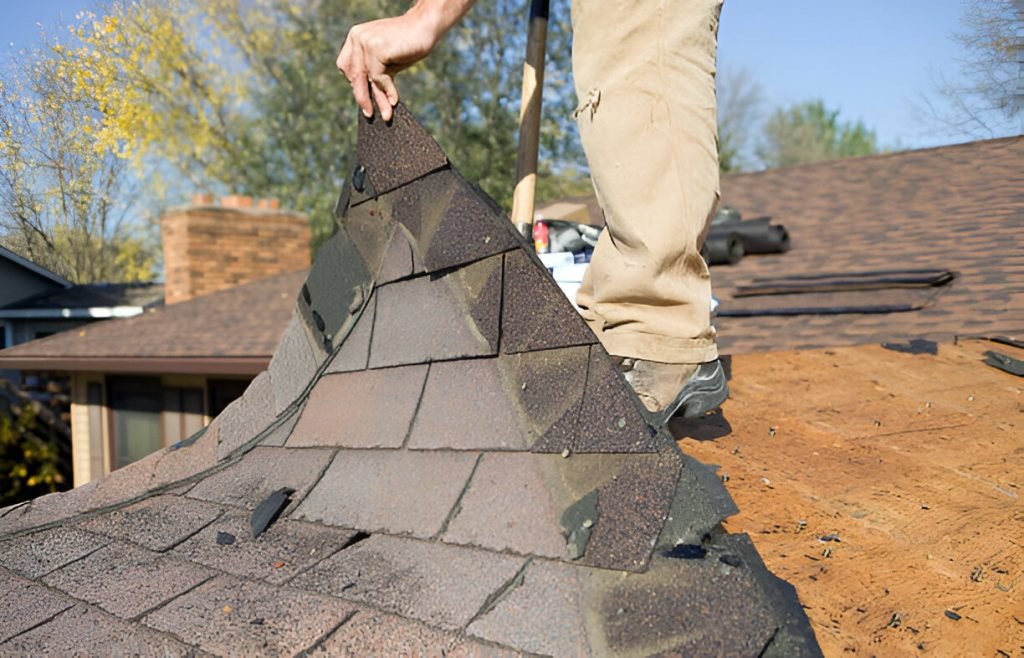
- Curling or cracked shingles: Often caused by age, UV exposure, or poor ventilation
- Dark streaks or stains: May indicate algae, moss, or water damage
- Granules in gutters: Asphalt shingles shed granules as they deteriorate
- Sagging rooflines: A sign of structural issues or waterlogged decking
- Interior ceiling spots: Yellow or brown stains suggest leaks
- Peeling paint near the roofline: Often caused by trapped moisture
- Musty odors in the attic: A red flag for mold or poor ventilation
If you notice any of these signs, it’s time to take action. Even small issues can escalate quickly in Seattle’s damp climate.
Seasonal Roof Inspection Tips for Seattle Homes
Seattle’s seasons bring different challenges. Fall and winter are especially hard on roofs, while spring offers a chance to assess damage and prepare for the next cycle.
Here’s how to approach seasonal roof care:
- Fall: Clear gutters and downspouts, check for moss buildup, and inspect flashing around chimneys and skylights
- Winter: Watch for ice dams, monitor attic humidity, and look for signs of condensation
- Spring: Assess shingles for winter damage, check for leaks, and schedule a professional inspection
- Summer: Trim overhanging branches, inspect ventilation, and prepare for fall rains
Seattle Roof Systems recommends at least one professional inspection per year, ideally in spring or early fall. Their team knows what to look for and how to address issues before they become emergencies.
What a Professional Roof Inspection Includes
A thorough roof inspection goes beyond surface-level checks. Roofing experts assess the entire system, including:
- Shingle condition and alignment
- Flashing integrity around vents, chimneys, and skylights
- Gutter and downspout performance
- Attic ventilation and insulation
- Signs of moisture intrusion or mold
- Structural soundness of decking and supports
We use advanced tools and trained eyes to catch problems that homeowners might miss. Their inspections are detailed, documented, and designed to give you peace of mind.
When to Call Roofing Experts in Seattle
Not every roof issue requires immediate repair, but knowing when to call a professional can save you thousands. Here are a few scenarios where expert help is essential:
- You notice active leaks or ceiling stains
- Shingles are missing, curling, or cracked
- Moss or algae is spreading across the roof
- Your roof is over 15 years old and hasn’t been inspected recently
- You’re buying or selling a home and need a roof assessment
- Storms have caused visible damage or debris buildup
We offer free estimates and honest assessments. Their team helps you understand your options, whether it’s a minor repair or a full replacement.
Preventive Maintenance for Long-Term Protection
Roof care isn’t just reactive, it’s preventive. With regular maintenance, you can avoid most major issues and keep your roof performing at its best.
Here’s what Seattle homeowners can do:
- Schedule annual inspections with a trusted roofing company
- Keep gutters clean and free of debris
- Remove moss and algae with safe treatments
- Ensure proper attic ventilation to reduce moisture buildup
- Replace damaged shingles promptly
- Avoid walking on the roof unless absolutely necessary
We offer maintenance plans tailored to local conditions. Their services help you stay ahead of problems and protect your investment.
Why Seattle Roof Systems Is the Go-To Choice
In a city known for rain and resilience, our company stands out for its expertise, transparency, and commitment to customer care. Homeowners trust them because they deliver:
- Local knowledge of Seattle’s climate and roofing challenges
- Skilled crews trained in both inspection and repair
- Clear communication and no-pressure estimates
- High-quality materials suited to Pacific Northwest conditions
- Fast response times and reliable scheduling
Whether you need a quick fix or a full roof replacement, their team treats your home like their own.
Final Thoughts: Stay Ahead of Roof Damage
Your roof works hard every day, shielding your home from the elements. In Seattle, where the weather is unpredictable and moisture is constant, early detection is your best defense.
By learning to spot the signs, scheduling regular inspections, and working with trusted roofing experts, you can protect your home, your budget, and your peace of mind.
We are here to help whether you’re concerned about a small leak or planning a full roof upgrade. Their team brings experience, integrity, and a deep understanding of what Seattle homes need to stay safe and dry.
Ready to schedule your inspection? Visit seattleroofsystems.com and take the first step toward a stronger, safer roof.