Skip to content
A new roof typically costs between $6,000 and $13,000 for a standard 2,000-square-foot home using asphalt shingles. National data from Forbes Advisor indicates the average price sits around $9,301, though high-end materials like metal or slate can push expenses well above $30,000. These figures include both materials and professional labor.
In the Pacific Northwest, price points often vary from national averages due to specific building codes and regional weather requirements. Estimates for a roof replacement in Seattle generally range from $12,000 to $25,000 for most residential properties. Factors such as the steepness of the roof, the number of existing layers to remove, and local permit fees contribute to this local price adjustment. Extensive field experience in high-moisture environments informs the technical details and cost projections provided in this guide.
Primary Variables Influencing Roof Replacement Cost
The total investment for a roof depends on several measurable factors. Size is the most obvious, but architectural complexity and the physical condition of the underlying structure also dictate the final quote.
Total Square Footage and Roofing Squares
Roofers measure surfaces in squares. One square equals 100 square feet. A 2,000-square-foot house might actually have 2,500 to 3,000 square feet of roofing area once the pitch and overhangs are calculated. Most contractors provide a new roof cost per square foot that includes the tear-off of old materials and the installation of new ones.
Material Selection
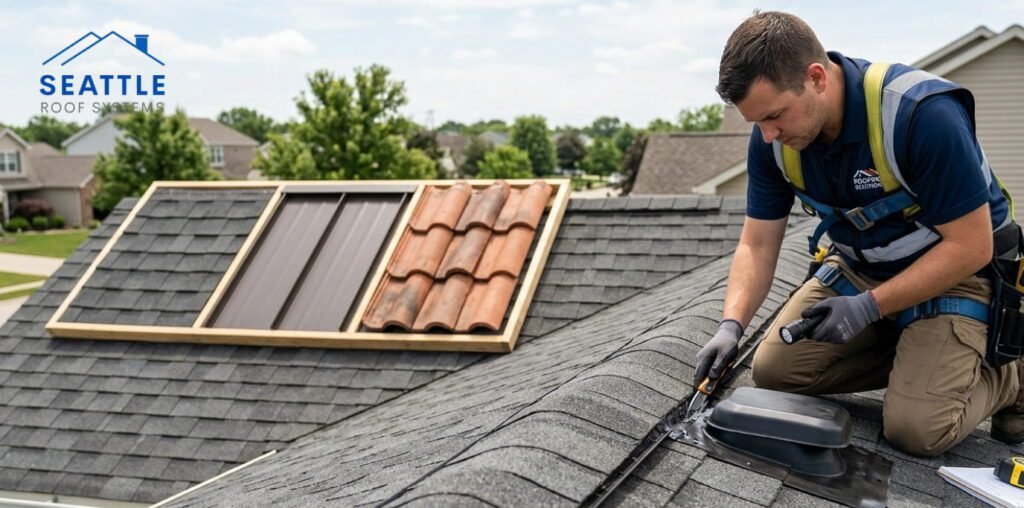
Material choice is the largest variable after size. Asphalt shingles remain the most common choice because of their balance between cost and longevity. However, homeowners seeking a longer lifespan or a specific aesthetic might look toward metal, wood shakes, or synthetic slate. Data provided by Angi suggests that high-quality architectural shingles offer the best return on investment for most residential owners.
Labor and Complexity
Labor typically accounts for 40% to 60% of the total bill. A roof with multiple chimneys, skylights, and steep gables requires more time and safety equipment than a flat or low-slope roof. If a home has two or three layers of old shingles, the labor cost increases because each layer must be removed and disposed of properly.
Cost Comparison by Material
Different materials offer varying levels of durability and price. The table below outlines the expected costs and lifespans for the most popular roofing options in the current market.
| Material Type | Cost per Square Foot (Installed) | Expected Lifespan |
|---|---|---|
| Asphalt Shingles | $4.00 to $8.00 | 20 to 30 years |
| Metal (Steel Panels) | $8.00 to $16.00 | 40 to 70 years |
| Wood Shakes | $10.00 to $20.00 | 25 to 30 years |
| Clay or Concrete Tile | $12.00 to $25.00 | 50 to 100 years |
| Natural Slate | $15.00 to $35.00 | 75 to 150 years |
Bonus Tip: Selecting a lighter-colored material can help reduce attic temperatures during summer months, potentially lowering energy bills in climates with high sun exposure.
Understanding Roof Replacement Seattle Market Factors
Regional conditions in Washington state impact both the timeline and the budget for roofing projects. Local building departments often have strict requirements regarding ice and water barriers, which are essential for managing the consistent rainfall in the region.
Environmental Demands
The Pacific Northwest requires specific underlayments to prevent rot. While a basic felt paper might suffice in drier climates, regional standards often necessitate synthetic underlayments that provide superior moisture protection. This adds a small but necessary cost to the total project.
Disposal and Permit Fees
Disposal fees in King County can be higher than the national average. Contractors must pay by weight at local transfer stations, and heavy materials like old cedar shakes or multiple layers of asphalt can increase these expenses. Additionally, local permits for a roof replacement in Seattle usually range from $200 to $500, depending on the valuation of the work.
Things to Consider Before Making a Decision
Before signing a contract, property owners should evaluate the current state of their roof and their long-term plans for the home.
- Current Decking Condition: If the plywood sheets under the shingles are soft or rotting, they must be replaced. This is often an “open-book” cost that cannot be fully determined until the old roof is removed.
- Gutter Integration: A new roof is the ideal time to inspect or replace gutters. Since the roofing team is already working at the roofline, combining these tasks can save on overall labor costs.
- Ventilation Needs: Proper airflow is mandatory for a long-lasting roof. Poor ventilation traps heat and moisture, which can void manufacturer warranties and shorten the life of the shingles.
- Home Values and Longevity: If the plan is to sell the home within five years, a standard asphalt shingle roof might be the most practical choice. If the home is a long-term residence, investing in metal or premium shingles could be more cost-effective over several decades.
Bonus Tip: Check if the attic has sufficient insulation before the project begins. Improving insulation while the roof is being worked on can significantly improve the home’s thermal efficiency.
Common Questions About Roofing Expenses
Property owners often ask about specific cost drivers and logistical factors that influence the final quote. Understanding these details helps prevent financial surprises during the construction phase.
Does a Steep Roof Cost More?
Yes. Roofs with a high pitch (steepness) require specialized safety harnesses and scaffolding. They also take longer to walk on, which increases the labor hours needed to complete the installation.
Are Roof Repairs Seattle Weather Dependent?
While some repairs can happen in light rain, a full replacement requires a dry window. This creates high demand during summer and fall, which can sometimes lead to higher seasonal pricing. Scheduling during the “off-season” might result in more competitive quotes, though the risk of weather delays is higher.
Can I Install a New Roof Over an Old One?
While some building codes allow for two layers of shingles, it is rarely recommended. Adding a second layer traps heat, makes it impossible to inspect the decking for rot, and often shortens the life of the new shingles. Most manufacturers will not honor full warranties if the shingles are not installed over a clean deck.
FAQ
Is roof replacement covered by homeowners’ insurance?
Insurance typically covers roof replacement if the damage is caused by a sudden, accidental event like a windstorm, fallen tree, or hail. It generally does not cover replacement due to age or lack of maintenance. According to HomeAdvisor, policyholders should document the roof condition regularly to assist with future claims.
How long does a typical roof replacement take?
Most residential roof replacements take one to three days. Larger homes or those with complex designs may take up to a week. Weather conditions and the time required for inspections can also influence the schedule.
What is the best time of year to replace a roof?
Late spring and early fall are generally considered the best times because the weather is mild. Shingles need a certain amount of heat to seal properly, but extreme summer heat can make the materials too soft to work with effectively.
How do I know if I need a full replacement or just repairs?
If the roof is over 20 years old and shows widespread signs of wear such as curling shingles, missing granules, or leaks in multiple areas, a replacement is usually necessary. If the damage is localized to one small area and the rest of the shingles are in good condition, roof repairs Seattle homeowners find are often sufficient to extend the life of the structure.
Summary of Key Takeaways
Determining the cost of a new roof requires an assessment of size, material, and regional labor rates. While the national average remains under $10,000, local conditions in the Pacific Northwest often lead to higher investments for quality installations. Homeowners should prioritize a full tear-off to ensure the structural integrity of the decking and should never overlook the importance of proper ventilation. Evaluating the long-term goals for the property will dictate whether an affordable asphalt shingle or a more permanent metal solution is the right choice. Always obtain multiple estimates and verify the specific components included in the quote to ensure a fair comparison.
Contact Information
For detailed assessments and professional guidance on roofing projects, contact the local experts. Seattle Roof Systems provides technical evaluations for residential properties across the region. Reach the team by phone at (425) 996-1386 or via email at zoom@seattleroofsystems.com to discuss specific project requirements. Reliable information and expert inspections help homeowners make informed decisions about their property investments.
Sources
- Forbes Advisor – Provides comprehensive national average cost data for various roofing materials and labor.
- Angi – Offers a breakdown of cost factors, including labor percentages and material price ranges.
- HomeAdvisor – Lists average installation costs and details regarding insurance coverage for roofing projects.
- RoofingCalc – A technical resource for calculating roof squares and understanding the impact of roof pitch on pricing.