Summarize with
A light poly tarp thrown over a hole lasts two to eight weeks in normal weather. A reinforced tarp installed with battens and screws can run three to twelve months if someone checks on it. So how long does a roof tarp last, exactly?
It comes down almost entirely to what kind of roof tarping job you’re dealing with and how much attention it gets once it’s up. FEMA’s Operation Blue Roof program, which covers storm-damaged homes with reinforced plastic sheeting, builds its coverings around a thirty-day minimum and expects permanent repairs to follow inside that window.
Why Seattle Cuts That Timeline Short
That thirty-day figure is a fair national baseline for roof tarp lifespan. It shrinks fast here. If Seattle didn’t have hurricane winds, at least it has months of teaser rain, windy fronts off the Sound, and enough gray-sky moisture to keep a covering wet for days at a time. Immediate roof protection can help limit exposure while a permanent repair is being planned. A tarp that would coast through a dry Arizona winter starts failing by week six on a Ballard roof.
What Determines Roof Tarping Durability
Three forces work against a tarp, and they don’t act one at a time. Sun bakes the plastic. Water pools in the low spots. Wind finds every edge that isn’t pulled tight. Roof tarp durability comes down to whether all three get addressed at install, not just one or two of them. A tarp with only one handled usually fails faster than the material rating suggests.
| Tarp Type | Typical Lifespan on a Roof | Best Suited For |
|---|---|---|
| Standard poly tarp, light duty | 2 to 8 weeks | Quick coverage ahead of an incoming storm |
| Reinforced poly tarp, grommeted | 1 to 6 months | Coverage while repairs get scheduled |
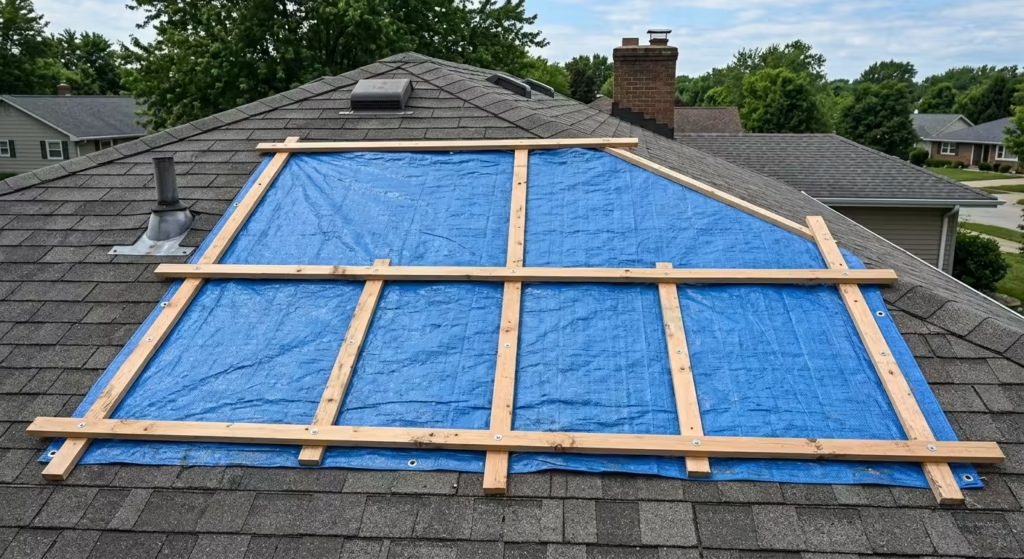
| Professional tarp system, battened and screwed | 3 to 12 months | Insurance claims, extended vacancies, or slow permitting |
UV breaks down plastic fibers over time. A tarp that looked fine going up in October can be stiff and cracking by February, even without a single major storm. But wind does more damage here than the sun does.
A tarp that isn’t pulled taut collects water in its sag points, and that pooled water adds weight. Weight stresses the fabric and the anchor points until something tears loose, usually during the next wind event rather than a calm afternoon.
When to Replace a Roof Tarp
Replace it the moment you see any of these. Don’t wait for a scheduled check:
- Standing water pooling anywhere instead of running off
- Tears near the grommets or edges, even small ones
- Battens or screws pulled loose from the deck
- Visible sag between anchor points
- Plastic that’s gone stiff or brittle to the touch
Knowing it’s time to swap out a tarp has less to do with the calendar than with whether it’s still working. A tarp that’s three weeks old and already sagging with standing water is a worse risk than one that’s been up two months and is still taut and draining. Roof tarp replacement is a performance call, not an age one.
Roof Tarp Maintenance: What Actually Extends the Timeline
Skipping maintenance is how a tarp rated for two months fails in two weeks. The habits that matter:
Check it after every storm. Wind shifts and heavy rain are the two things most likely to loosen an anchor point or open a new low spot overnight.
Clear standing water right away, with a broom handle from the ground or a ladder. Don’t climb onto a sagging tarp to do it. A tarp holding water is already failing structurally, and it’s not a stable surface to stand on.
Retighten loose edges as soon as you spot flapping. Every gust against a loose edge works the grommets a little more, and grommets are usually the first failure point.
Watch for moss. Wet leaves and moss trap moisture against the tarp surface, and that speeds up breakdown faster here than it would in a drier climate.
If you’re working with an insurance claim, photograph the tarp weekly. Documentation is what protects you if the temporary covering fails before permanent repairs get approved.
Is a Temporary Roof Tarp a Permanent Fix?
No, and even a well-maintained one isn’t meant to be. It’s plastic sheeting held down with screws and wood strips. It slows water intrusion. It doesn’t stop deck rot, insulation damage, or mold from developing underneath if the covering stays up for months.
The FEMA Blue Roof standard was created in a matter of thirty days for one reason: homeowners think of temporary roofing as being permanent. Each week after that increases the chances that water will eventually seep through a seam or a loose edge, making it through in any case.
Should You Handle Roof Tarping Yourself?
Sometimes, and sometimes absolutely not. If you have a single-story home, a low-pitch roof, and no active storm, covering a small section yourself with a tarp and sandbags on the ground is a reasonable stopgap.
That’s genuinely the one part of this job a homeowner can handle alone, as long as it stays a ground-level task.
Getting on the roof itself is a different situation entirely. OSHA requires fall protection for anyone working six feet or more above the ground on residential roofing, a rule that exists because falls remain the leading cause of death in residential construction.
Walking a wet, possibly damaged roof surface to anchor a tarp looks simple from the driveway. It’s exactly the kind of job that turns into an emergency room visit instead of a repair.
Protect Your Roof Before the Tarp Fails
If your roof is steep, wet, or already damaged enough to need a tarp, that’s the point to call someone with a harness, proper anchor points, and experience doing this in wet conditions. Seattle Roof Systems handles emergency roof tarping and the follow-up repairs across the Seattle area. Call (425) 996-1386 or email zoom@seattleroofsystems.com.
Once the tarp has bought you time, our roof replacement page walks through what the permanent fix looks like and roughly how long it takes.
Frequently Asked Questions
Can a tarp actually stop a roof leak completely?
It can cut water intrusion significantly if it’s installed right, but it rarely stops it completely. Wind-driven rain finds its way under edges and seams that look sealed from the ground.
How much wind can a roof tarp handle?
A properly battened and screwed tarp handles moderate wind fine. Sustained gusts above 40 to 50 mph stress even a well-installed covering, especially once any single edge has come loose.
Will my insurance pay to have my roof tarped?
Many homeowner policies cover emergency mitigation, tarping included, as part of preventing further damage. Check your policy for coverage details; they differ by policy and you should check before the work is done.
May I place a roofing tarp on a metal roof?
Yes, but attachment is more complicated as the ribs or seams are not a flat surface but need to be threaded. A professional installer will be able to tell you where those anchor points can safely be installed.
What is the maximum time that I can leave a tarp on my roof without damage?
But it’s not set in stone, most professionals consider 60-90 days to be the time when trapped moisture and material breakdown begin to surpass what protection, if any, is still being offered, particularly in a moist environment such as Seattle’s.
Does roof tarping need a permit in Seattle?
Emergency temporary coverings generally don’t require one. Any structural repair work that follows likely will, so check with a licensed contractor once permanent repairs are being planned.
Sources
- FEMA, Operation Blue Roof Frequently Asked Questions: confirms reinforced plastic roof sheeting is designed to last a minimum of 30 days.
- OSHA, Fall Protection in Residential Construction Guidance: confirms the six-foot threshold requiring fall protection on residential roofing work.